The business case for women’s health equity

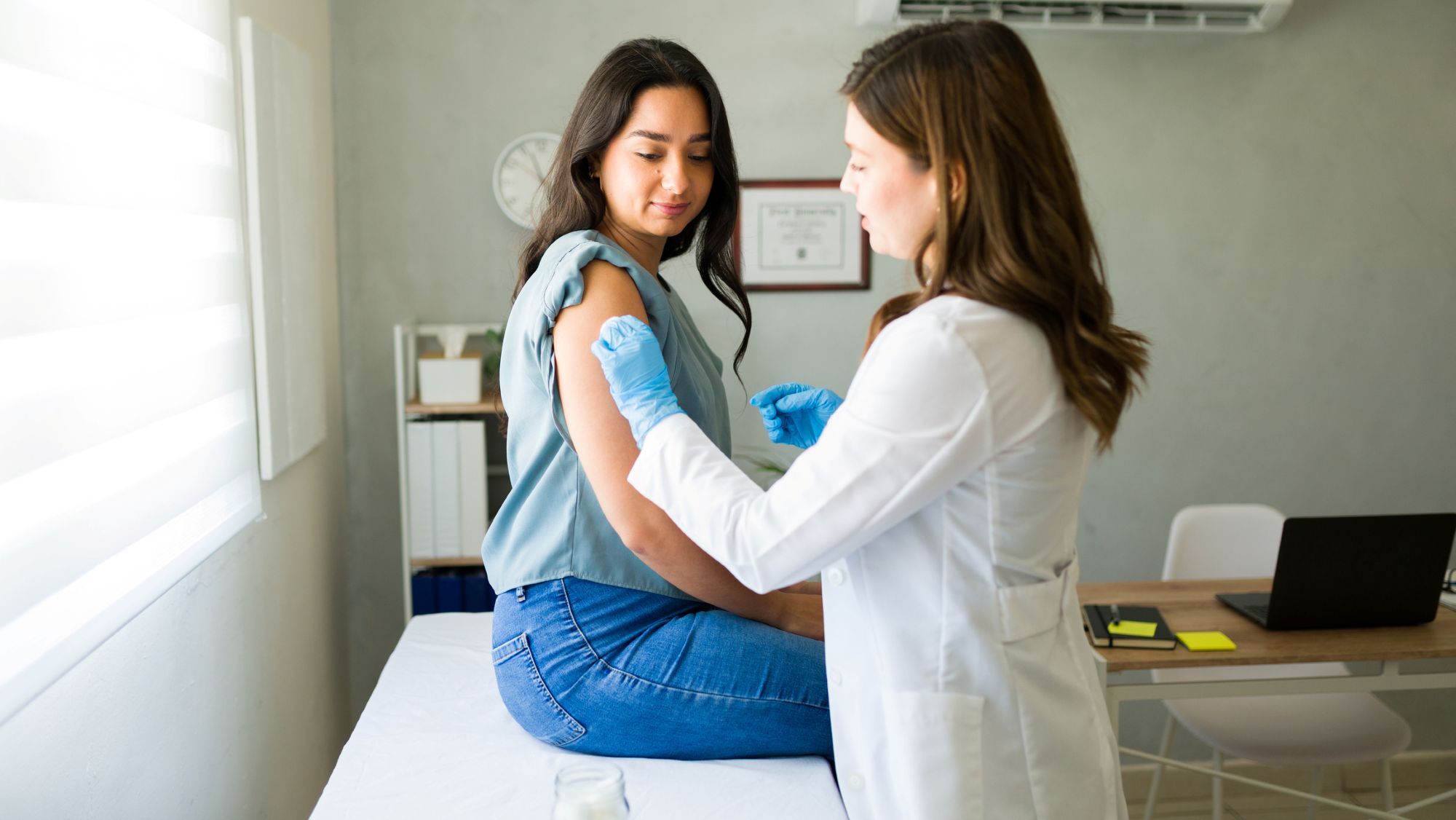
Women continue to be left behind in healthcare access and innovation worldwide. Addressing this is critical for health equity. But it also presents a significant business opportunity. Women’s healthcare gaps Across low- and middle-income countries (LMICs), women face major barriers to accessing healthcare. Around 1.8...

AMR and sepsis: The hidden crisis for cancer care

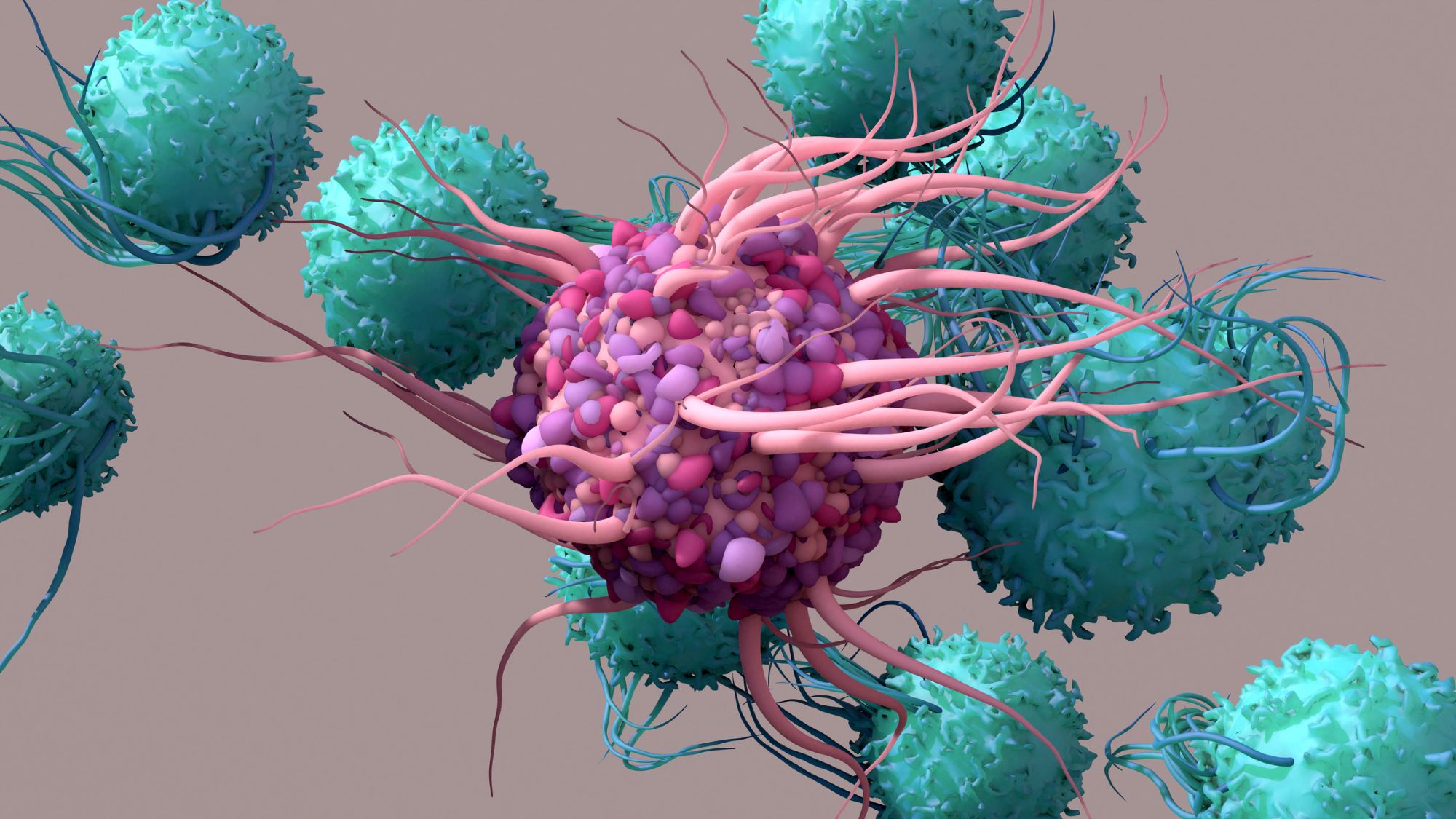
Modern cancer treatment is more targeted and effective than ever. But for patients whose immune systems have been weakened by chemotherapy, surgery or transplant, a resistant infection can rapidly turn progress into crisis. For some cancer patients, the immediate threat to survival isn’t the malignancy,...

How drug-resistant infections can delay vital cancer treatments

A cancer survivor recalls how she had to stop treatment to manage a resistant infection — and why the experience has prompted her to call for mandatory resistance testing. When she was 43, Ana Mazanishvili was diagnosed with breast cancer. She elected to have a...

What is the single most important message for policymakers?

Addressing AMR-restrained patients’ access and market failure requires a fundamental shift away from volume-based toward value-contribution valuation healthcare policies. Why is antimicrobial resistance (AMR) becoming one of the greatest threats to patients’ lives and to our modern medicine? Worldwide, there are 4.95 million AMR-associated deaths...

How One Health helps build global resilience

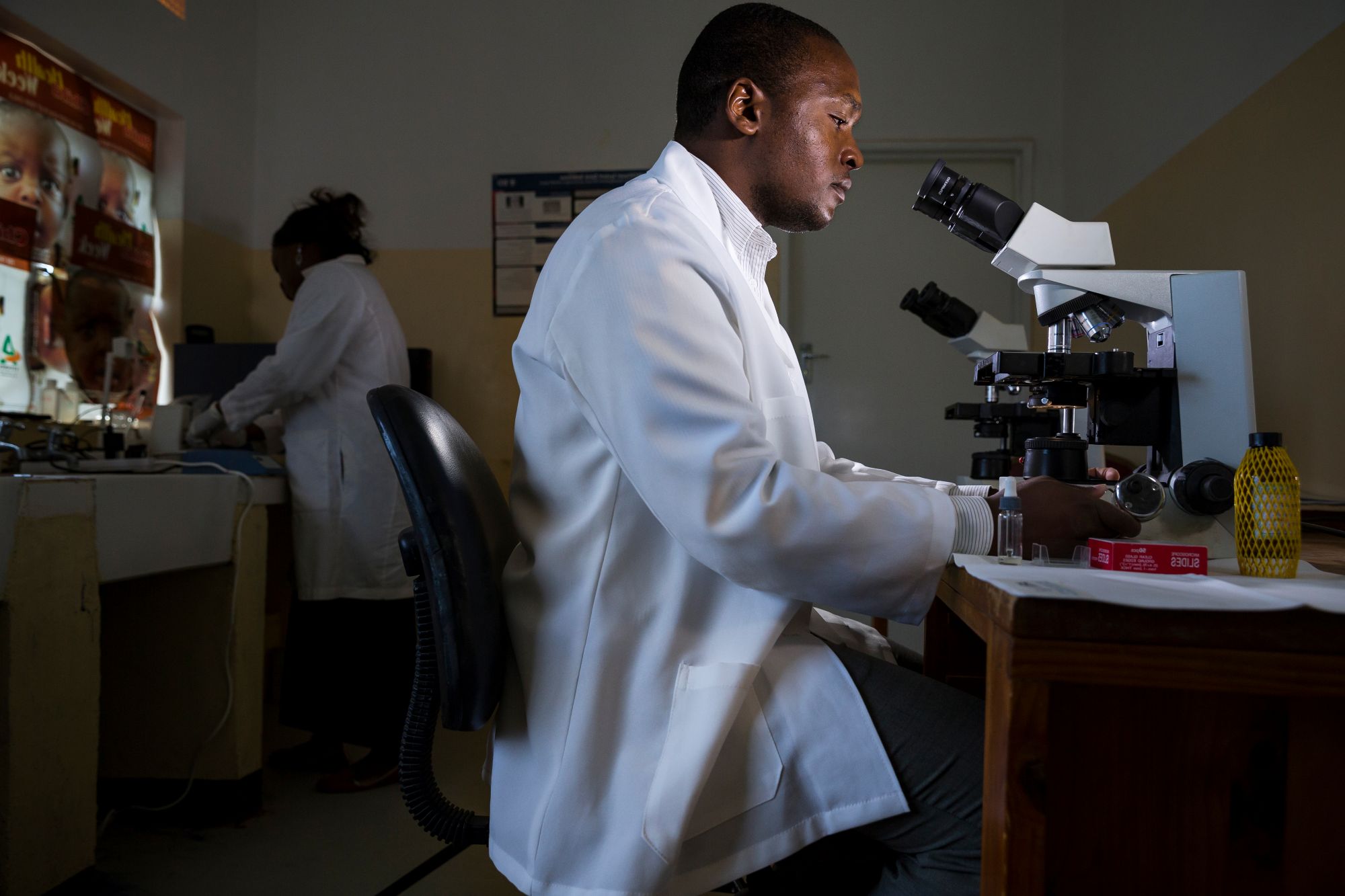
One Health offers a practical blueprint for integrating health approaches and interventions to build resilience, translating complexity into coordinated, effective action. In Africa, one in five bacterial infections1 is already showing signs of Antimicrobial Resistance (AMR). One Health approaches systematically tackle this, guided by the...

A faster path to infectious disease breakthroughs

The COVID-19 pandemic exposed how vulnerable the world remains to infectious diseases. Faster, more efficient clinical development pathways accelerate access to vaccines and therapeutics. Infectious diseases continue to disproportionately affect low- and middle-income countries, where healthcare, diagnostics and treatment access are often limited, and healthcare...

Europe’s most underrated strategic asset? The health of its people

The question facing European governments isn’t whether they can afford to invest in health. It’s whether other priorities are achievable without it. There’s a question I hear in almost every ministerial conversation these days: can we still afford to invest in health? The better question:...

What it will take to end malaria — and why Britain’s leadership still matters

Malaria still kills over 600,000 people every year,1 even though it’s preventable and treatable. Children under five in Africa carry the heaviest burden — school lessons missed, futures cut short. In too many communities, health systems are stretched beyond their limits, trying to protect mothers and babies from a disease we can consign to history. ...

Beyond trials: Implementation research that strengthens health systems

Developing a safe and effective vaccine is only part of the challenge. Ensuring it reaches the right people, at the right time and that its performance in real settings is rigorously documented, is equally critical. This is the work of implementation research, which bridges clinical...

Health is resilience: Why investment today shapes stability tomorrow

Security dominates headlines and politics. Yet one of its most decisive dimensions remains underestimated: health. Health is not a parallel concern to security, but one of its foundations.  Global health resilience is, at its core, about preparedness and protection: ensuring that societies can withstand and recover from health crises. The COVID-19 pandemic exposed how...