

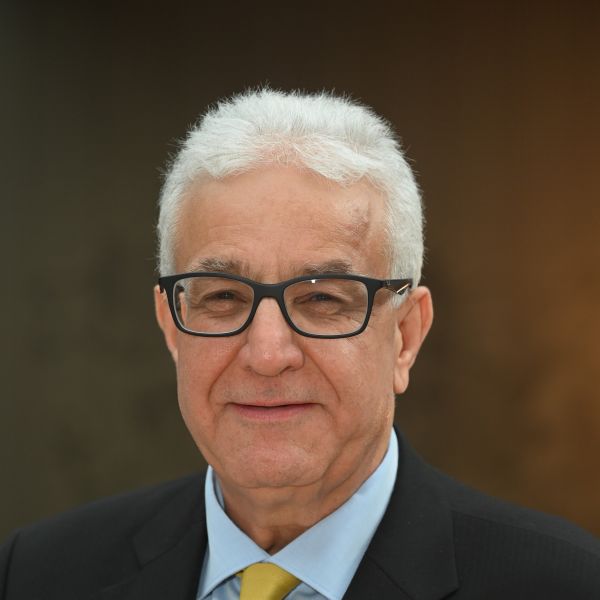
Dr Sherif Abdel-Fattah
Vice President for Global Health at Royal College of Obstetricians and Gynaecologists
Gynaecological conditions affect women and girls worldwide. However, they remain chronically under-prioritised. In low- and middle-income countries, this under-prioritisation is especially stark.
Royal College of Obstetricians and Gynaecologists (RCOG) found that non-cancerous gynaecological conditions accounted for more years lived with disability for women aged 15–49 than malaria, TB and HIV/AIDS combined.
The consequence is that women and girls face significant barriers to accessing quality gynaecological care. Despite this, insufficient resources and inadequate training for healthcare providers lead to missed opportunities for early prevention, diagnosis and treatment of gynaecological conditions.
Programme designed to address the gynaecological care gap
This gap is what the RCOG’s Gynaecological Health Matters (GHM) programme aims to address. It strengthens health systems by training non-specialist frontline providers through its Essential Gynaecological Skills course, covering areas like cervical cancer, emergency gynaecology, infertility, abnormal uterine bleeding and violence against women. The programme also generates evidence of the impacts of untreated gynaecological conditions and advocates for prioritisation of gynaecological health on global health agendas.
Gynaecological health is essential throughout a woman’s life course, including maternal health. Conditions like endometriosis and fibroids can severely affect fertility, while others, including prolapse and obstetric fistula, are often the direct result of pregnancy and childbirth. When these conditions go untreated, they can lead to chronic pain, infertility, anaemia, disability, stigma and increased maternal risk. Early detection and management give women greater autonomy over their reproductive lives and improve pregnancy outcomes.
Early detection and management give women greater autonomy over their reproductive lives and improve pregnancy outcomes.
Global impact of the programme
The impact of the programme is already evident. In Bangladesh, it has trained over 100 multidisciplinary healthcare workers, introduced the country’s first dedicated gynaecological data system, and recorded 100% patient satisfaction. In Nigeria, the RCOG’s Essential Gynaecological Skills training has trained 20 expert trainers and 180 healthcare providers, securing endorsement and inclusion in the Nigerian National Ministry of Health’s national Safe Motherhood Strategy.
Building on this momentum, with additional funding and support, the College aims to expand Gynaecological Health Matters to new countries. Ensuring access to respectful, high-quality gynaecological care isn’t a luxury; it’s a fundamental pillar of women’s health throughout the life course.
