 Global Cause
Advancing Women’s Rights
-
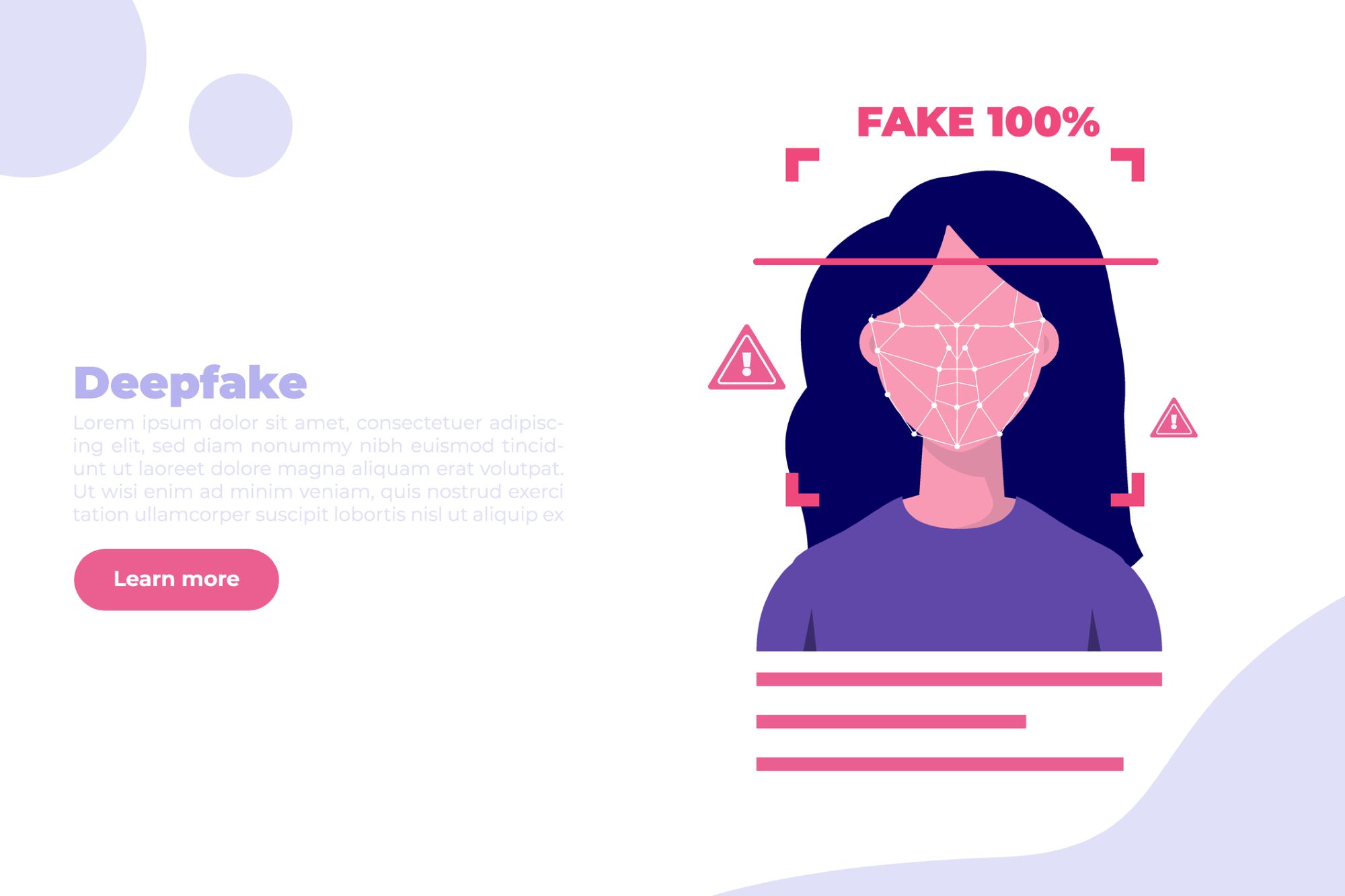
Building a safer digital future in the age of AI
As AI slips more seamlessly into our lives, this International Women’s Day, we must put our efforts behind creating a safer online experience for women and girls. AI, used wisely, can be used for good. AI-enabled content moderation can identify harmful material, reducing people’s exposure to graphic or abusive content. Paired with human oversight, these...
-
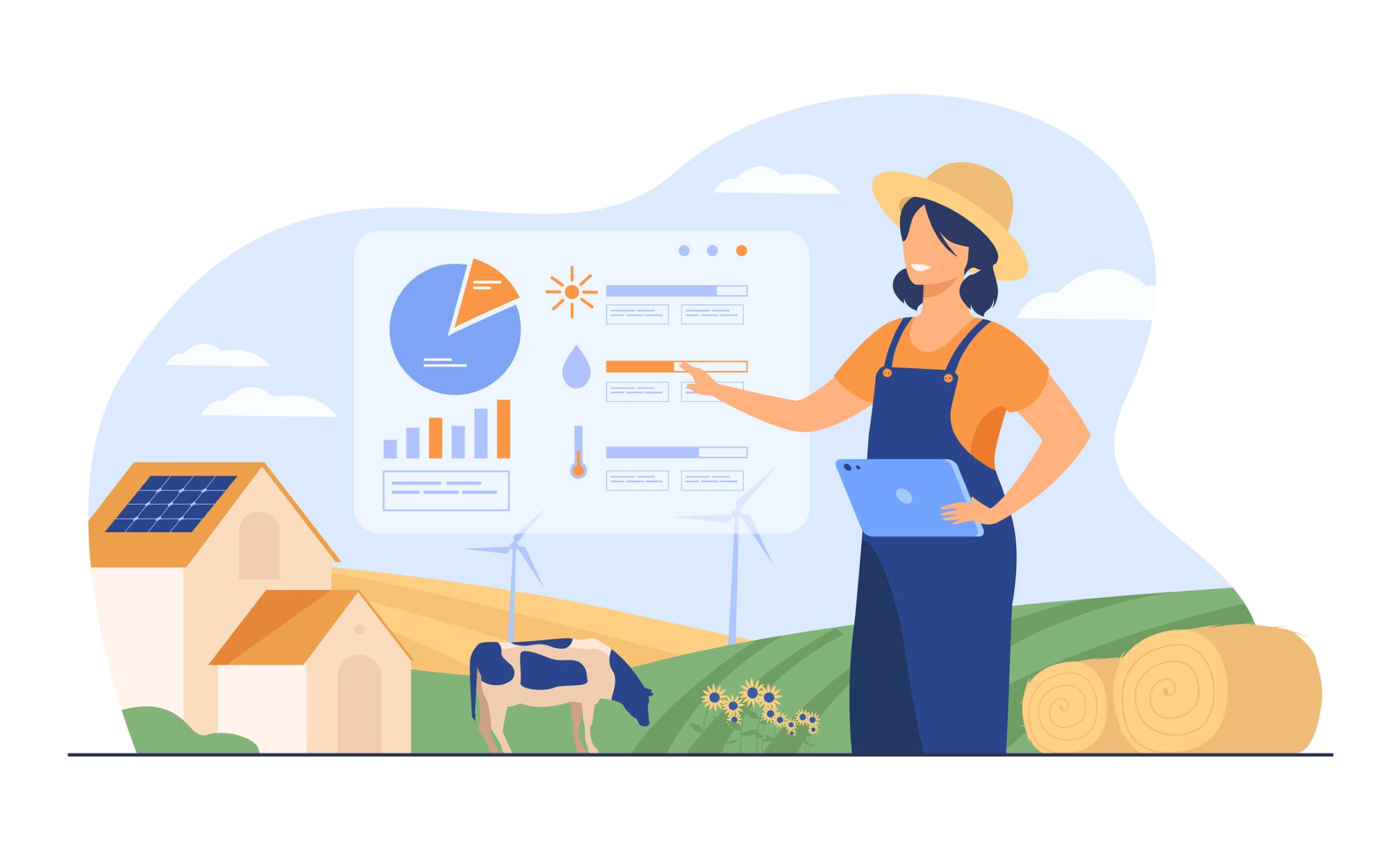
From farms to firms: unlocking women’s economic power in agribusiness
Social barriers holding women back from their economic potential are often missed by traditional development programs. New research shows that helping women overcome these barriers can lead to large economic gains. Women are central to the agribusiness sector in Africa, working across the value chain: in farms, processing plants and food enterprises. When paychecks create...
-
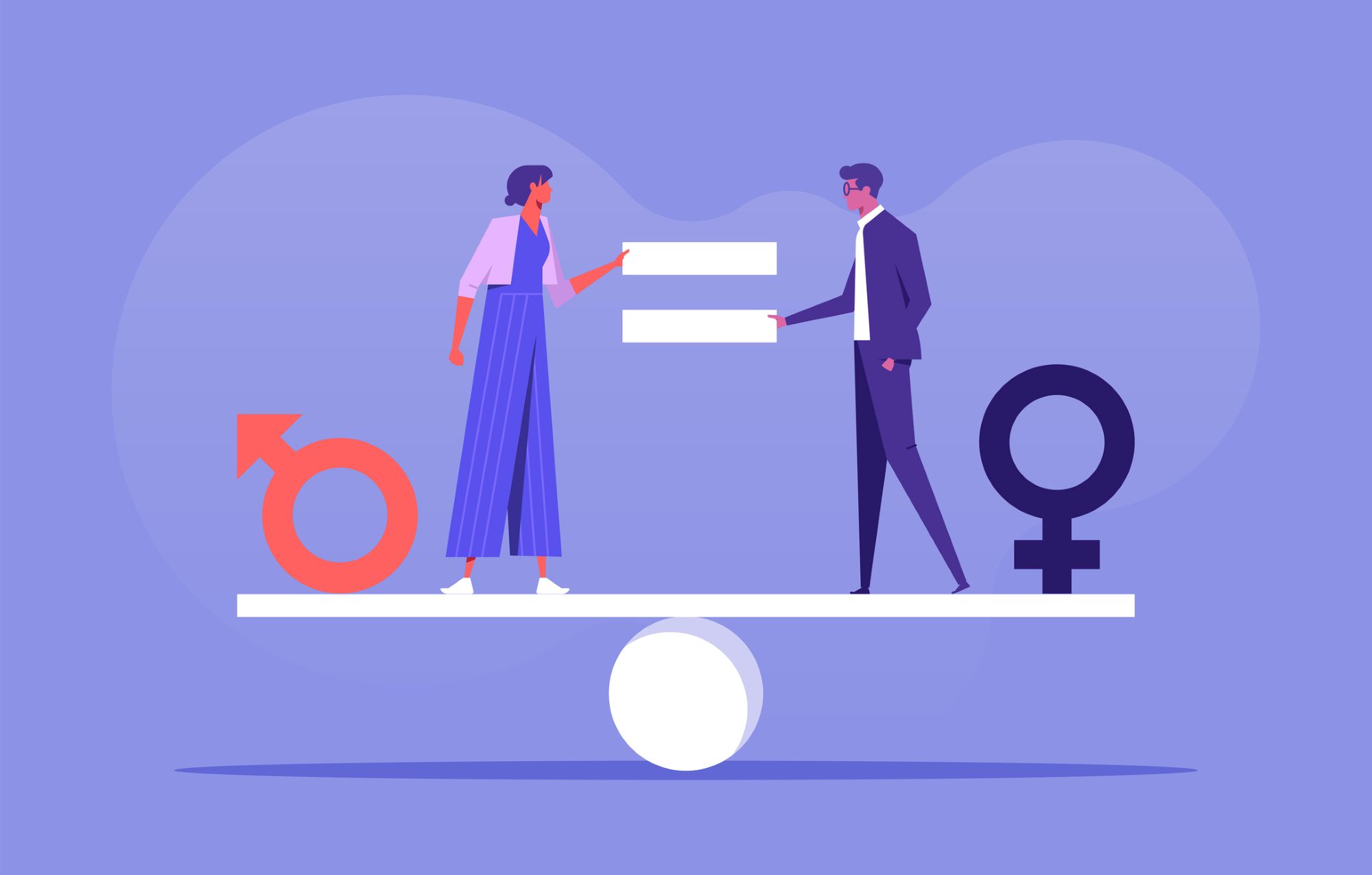
Our moment to turn the tide for gender equality
This year, International Women’s Day is a call to ‘Rights. Justice. Action.’ For every woman and girl, everywhere. Justice is where gender equality is decided, and today, it is still too often denied for women and girls. When the rule of law fails girls and women Not a single country fully guarantees women and girls...
-
Justice Takes Time—and Funding
Feminist organisations are reshaping power and defending justice for women and girls—amid a fierce backlash. They need our support now more than ever. How long does it take to topple a dictatorship? Eleven days, if you watched last year’s news about Syria. Fourteen years, if you ask the women who made it happen. Sara, a...
-
Rethinking leadership through a decolonial feminist lens
If we’re serious about equality for women, girls and gender expansive people, we must rethink how power, knowledge and leadership are defined globally. Structures that continue to shape inequality. These systems often centre perspectives from the Global North, while positioning women and girls from the Global Majority as recipients rather than leaders. From representation to...
-

As women’s rights are dismantled, so is democracy
Authoritarian regimes consistently restrict women’s and girls’ rights more severely than rights-respecting democracies. But today’s rising authoritarian governments differ from 20th-century dictatorships. In the past, restrictions on women’s rights were often embedded within broader ideological struggles, between Marxism and capitalism, nationalism and anti-colonialism, rather than as a central political target. Today, gender and sexuality are...
-

If we want to end conflict, we need to invest in women
Roughly 676 million women were directly affected by violent conflicts in 2025, according to UN data.1 Yet when a peace deal is signed, the world often looks away. The next morning, a woman walks to the market to find bare shelves. The daily work of sustaining peace begins after the headlines fade, and when women...
-

Why gynaecological health matters throughout the life course
Gynaecological conditions affect women and girls worldwide. However, they remain chronically under-prioritised. In low- and middle-income countries, this under-prioritisation is especially stark. Royal College of Obstetricians and Gynaecologists (RCOG) found that non-cancerous gynaecological conditions accounted for more years lived with disability for women aged 15–49 than malaria, TB and HIV/AIDS combined. The consequence is that...