
Laetitia Bigger
Director, Vaccines Policy, IFPMA
Routine immunisation for adults and children is more than a health service — it’s core to our health security, and can determine how fast and effectively countries can respond in a crisis.
Later this year, the UN will hold a High-Level Meeting on Pandemic Prevention, Preparedness and Response. This will be a key moment to renew political commitment to health security and identify practical actions to reduce the impact of future outbreaks and pandemics.
Health shocks are security shocks. Population growth, urbanisation, travel and climate change are increasing the risk of pandemics and other health threats. With a ~50% probability1 of a COVID-19 pandemic scale within 25 years, and with future pandemics estimated to cost more than 700 billion annually2, investing in better preparedness and response is imperative for economic stability and health security.
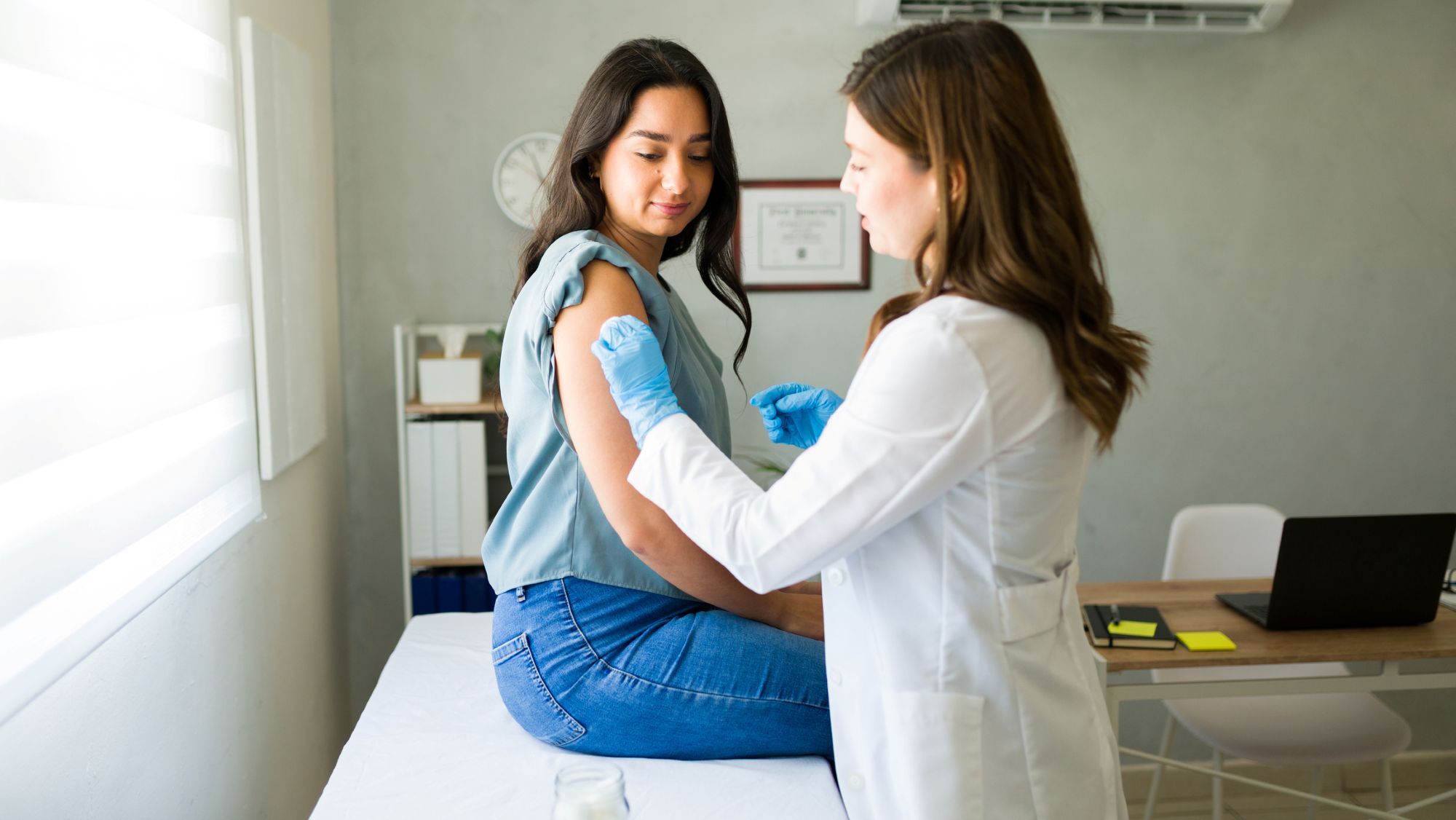
Strengthening routine immunisation for adults and children represents one of the most effective ways of building and strengthening resiliency. They deliver routine protection and reduce ill health, and in crises, help determine how countries can respond at speed and scale.
Routine immunisation across the life course isn’t just a health program — it’s a national capability
Ready-to-deploy delivery network
Immunisation programmes rely on strong healthcare systems, trained healthcare professionals and reporting capabilities. Having these in place also means they can be rapidly adapted and scaled when new threats emerge.
Routine immunisation programmes also build habits of forecasting demand, managing stocks and strengthening distribution routes to the ‘last mile.’ Regular demand for vaccines also incentivises manufacturers to invest in production capacity — a critical asset for surging production during a pandemic.
Trust before the crisis
Regular immunisation programmes help build public awareness, familiarity with vaccination and trust in health authorities. This strengthens community engagement and the infrastructure necessary for rapid, widespread vaccine acceptance during an emergency, including managing misinformation.
Routine immunisation across the life course isn’t just a health program — it’s a national capability. Strengthening it today is one of the smartest ways to prepare for tomorrow. It’s also an economic imperative: adult immunisation programmes can generate returns of up to 19 times their initial investment3, through avoided hospitalisations, reduced treatment costs and preserved productivity.
[1] Smitham, E. & Glassman, A. (2021). The next pandemic could come soon and be deadlier. https://tinyurl.com/yeyskte7.
[2] Glennerster, R., Snyder, C.M. & Tan, B.J. (2023). Calculating the costs and benefits of advance preparations for future pandemics. https://tinyurl.com/kkaj7ej5.
[3] Banhawi, H.E. et al. (2024). Socio-economic value of adult immunisation programmes. https://tinyurl.com/3dzj3jne.
