
Nelsy Affoum
Research Uptake Analyst, Africa Gender Innovation Lab, World Bank

Alethia Donald
Senior Economist
Social barriers holding women back from their economic potential are often missed by traditional development programs. New research shows that helping women overcome these barriers can lead to large economic gains.
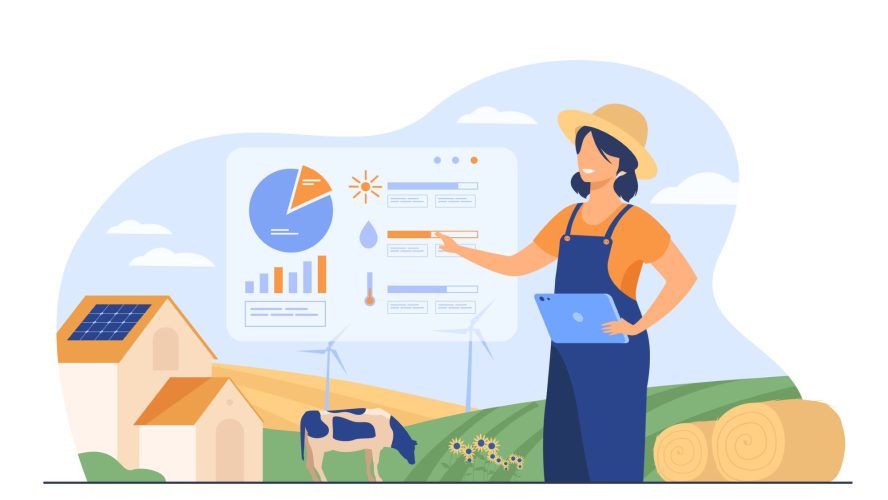
Women are central to the agribusiness sector in Africa, working across the value chain: in farms, processing plants and food enterprises.
When paychecks create problems
Agribusiness firms are a major employer of women, especially in food processing. Jobs in this sector come with many benefits, including a relatively stable income. But in Côte d’Ivoire’s cashew-processing sector, women earning regular wages faced pressure to share their income with extended family and social networks — also known as “social taxation”— discouraging them from working to their full potential. A simple solution helped: when women were offered private savings accounts that allowed them to set aside part of their earnings discreetly, their attendance and productivity improved, and their income rose by nearly 10%.
Getting to work can also be a challenge. Many agribusiness jobs are located far from where women live, and long or unsafe commutes can make employment difficult to sustain. In Côte d’Ivoire, hiring women alongside friends or relatives—enabling them to commute together — increased job take-up by 16 percentage points and improved the retention of female workers in firms.2
addressing the social realities women face with smart innovations can unlock large gains not only for women themselves, but also for their households and communities
Empowering women farmers and entrepreneurs
Most women in the agricultural sector still work at the farm level. Socially mindful interventions can benefit them, too.
In Uganda, simply linking women farmers to female peers helped them share knowledge and improve yields.
In Mozambique, combining traditional agricultural training with Personal Initiative training— a psychology-based approach that aims to foster an entrepreneurial mindset — doubled the share of women running non-farm businesses and increased household income by nearly 40.3%.3 This approach has since been scaled to over 65 development projects across several countries, demonstrating its broad applicability.
The evidence is clear: addressing the social realities women face with smart innovations can unlock large gains not only for women themselves, but also for their households and communities — and lay the foundations for faster inclusive growth across the African continent.
[1] Carranza, E. et al. (2025). The social tax: redistributive pressure and labor supply. Econometrica.
[2] Donald, A. and Grosset, F. (2024). Labor supply complementarities in urban Côte d’Ivoire. G2LM | LIC.
[3] World Bank. (2024). Top Policy Lessons in Agriculture. Open Knowledge Repository.
