
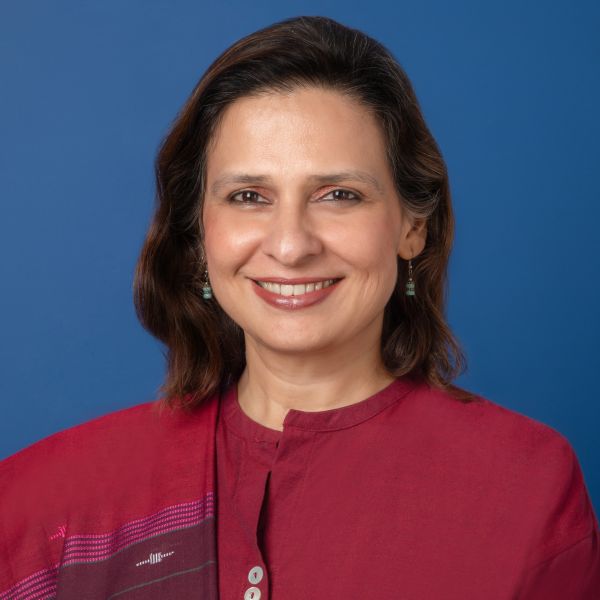
Dr. Tabinda Sarosh
President and CEO, Pathfinder International
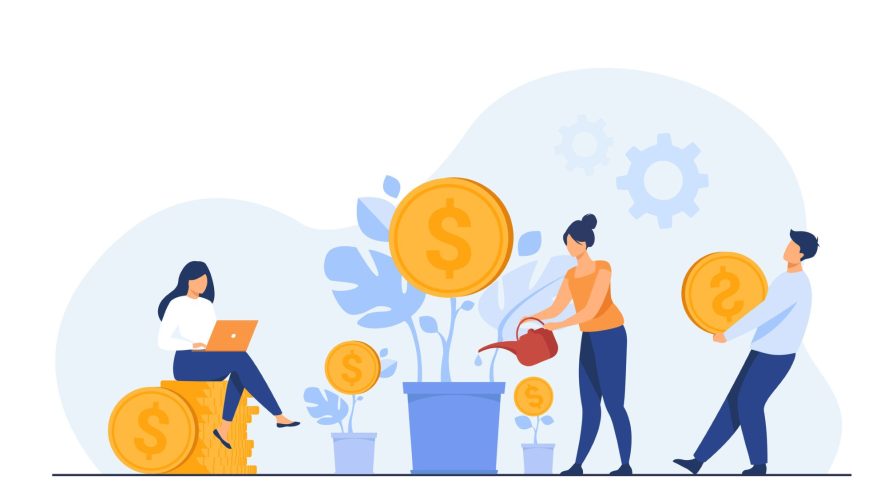
Failing to secure women’s economic power is the greatest missed opportunity of our era.
When a woman earns an income, she reinvests nearly all of it into her family — prioritising vaccines, nutrition and education.1
Barrier of informal labor
Women’s formal labor force participation globally is only half that of men’s.2 Approximately 700 million women are trapped in the ‘informal economy,’ in unprotected roles like domestic work or producing goods from home, while bearing the brunt of unpaid care.3 Breaking this cycle requires connecting informal networks to robust labor markets.
Women’s health as an economic asset
Women spend 25% more time in debilitating health — an average of nine years — compared to men.4 Health systems fail if women cannot afford care, lack the power to decide about their bodies or lose livelihoods to climate shocks. Women’s leadership and innovation in health care can ensure health systems built for women.
Climate change is also amplifying challenges, as floods destroy health facilities, droughts drive child marriage and heat waves complicate pregnancies. In countries including Bangladesh, Pakistan, Egypt and Tanzania, Pathfinder International supports climate-resilient livelihoods — such as flood-adaptive agriculture, weaving and sewing enterprises and sustainable fishing — allowing women to maintain the income necessary for healthcare, food security and emergency savings.
Women’s economic inclusion is the most lucrative investment we can make.
To catalyse a resilient future, fuelled by women, we must prioritise:
Financial capital. Expanding access to microloans and banking.
Digital Inclusion. Bridging the gap to global markets and health information through mobile technology.
Policy Reform. Shifting unpaid care to workplaces and governments.
Integrated Health Care. Ensuring health services are affordable and accessible.
Women’s economic inclusion is the most lucrative investment we can make. Let’s not miss the opportunity.
Femvive is giving Kenyan women access to digital tools, training, and trusted products: womenandco.pathfinder.org/femvive/
[1] World Bank Group. Jobs: Unlocking Women’s Economic Potential and Boosting Economies.
[2] Sayeh, A. et al. (2023). Countries That Close Gender Gaps See Substantial Growth Returns. IMF Blog.
[3] Koolwal, G. and Carey, E. (2018). New ILO report makes strides in measuring informal employment and new insight into women’s economic lives. Global Partnership for Sustainable Development Data Blog.
[4] McKinsey Health Institute. (2025). New report identifies a blueprint to close the womens health gap.
