
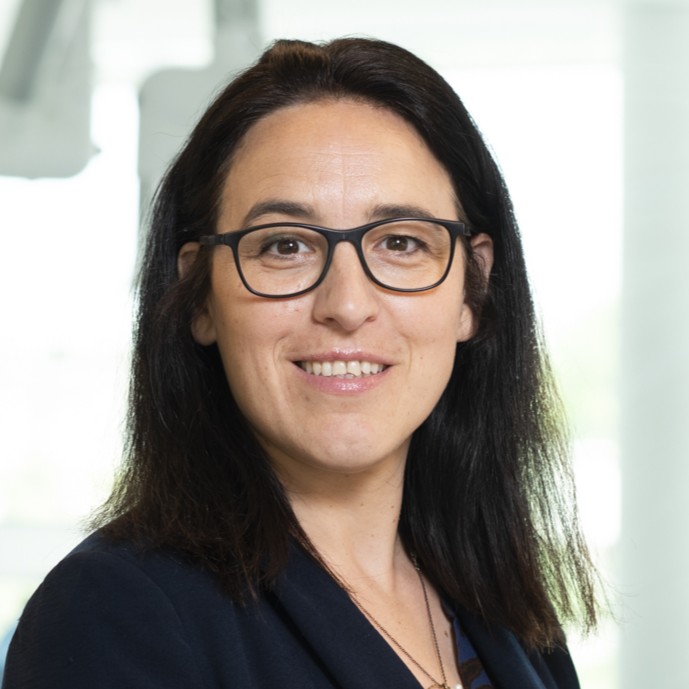
Sylvia Boj
CSO of HUB Organoids
Biotechnology company merges with a leading global life science and technology company to enhance its offering of patient-derived organoid services for clinical drug development.
Drug development is a long, costly and high-risk process, often taking upwards of 10–15 years, and typically costing over £1 billion for each new therapy.
Drug candidate attrition rates
Despite significant investment, around 90% of drug candidates fail, as findings from preclinical research are extremely difficult to translate to human models.
Sylvia Boj, CSO of HUB Organoids, explains: “Traditional animal models and cell lines don’t capture the complexity of human tissue. While primary human cells do offer more relevant insights, they can’t easily be expanded or preserved, and the differences between donor samples make results difficult to reproduce.”
Patient-derived organoids
With patented technology, HUB Organoids has developed patient-derived ‘mini-organs in a dish’ from both healthy and diseased tissues, to close the gap between the lab and clinic. Cutting-edge services include drug screening, custom assay development and co-clinical testing. Boj continues: “Organoids overcome traditional challenges, as they can be expanded, cryopreserved and used repeatedly, ensuring consistent data from the same group of donors over time.”
The company’s mission has always been to provide the most physiologically relevant models possible to help accelerate therapy development. Boj explains: “Animal models help us to understand biology, but they’re not human. Organoids enable the growth of human adult tissue in the lab, effectively replicating its genetic and phenotypic characteristics to more accurately reflect the realities of human biology.”
Seeing tangible success across numerous therapeutic areas has validated the power of organoid technology, including oncology and cystic fibrosis. HUB Organoids is now focused on extending its services to the area of infectious diseases, to bridge the unmet need for patients who are notoriously affected by a lack of access to treatments.
“Researchers studying infections like RSV (respiratory syncytial virus) or rhinovirus have traditionally struggled to model human infection accurately in the lab,” Boj explains. “With organoids, we can reproduce the infection process in patient-derived tissue, observing real human immune responses and testing antiviral agents in a biologically relevant setting.”
Organoids enable the growth of human adult tissue in the lab, effectively replicating
its genetic and phenotypic characteristics to more accurately reflect the realities of human biology.”
Partnering for impact
The company’s recent acquisition by life science global leader, Merck KGaA, Darmstadt Germany, marks a major step forward. “Merging with a recognised global biopharmaceutical leader enhances the resources, regulatory expertise and infrastructure we can offer to biopharma researchers, enabling us to scale our impact and capabilities,” Boj adds. “This partnership will allow us to extend our services across new therapeutic areas, including antimicrobial resistance and infectious diseases.”
Learn more about HUB Organoid technology: www.huborganoids.nl
HUB Organoids is part of the Life Science Business of Merck KGaA, Darmstadt, Germany. Merck operates as MilliporeSigma in US and Canada.
