
Yvan J-F Hutin
Director, Antimicrobial Resistance, World Health Organization

Muhammed Shaffi Fazaludeen Koya
Medical Officer (AMR-IPC-One Health Unit)
WHO Regional Office for the Eastern Mediterranean
Philip Mathew
Technical Officer (AMR), World Health Organization
Antimicrobial resistance (AMR) is a major global health threat. In fragile and conflict-affected settings, this risk is magnified, and the consequences are often invisible.
In most conflict zones, health systems become fractured with weak governance, damaged infrastructure, workforce depletion and disrupted supply chains. Policies meant for functional health systems may not work in fragile settings. We must recognise the issue and adapt AMR mitigation to fragile contexts and integrate it into humanitarian and development agendas.
AMR’s dangerous foothold
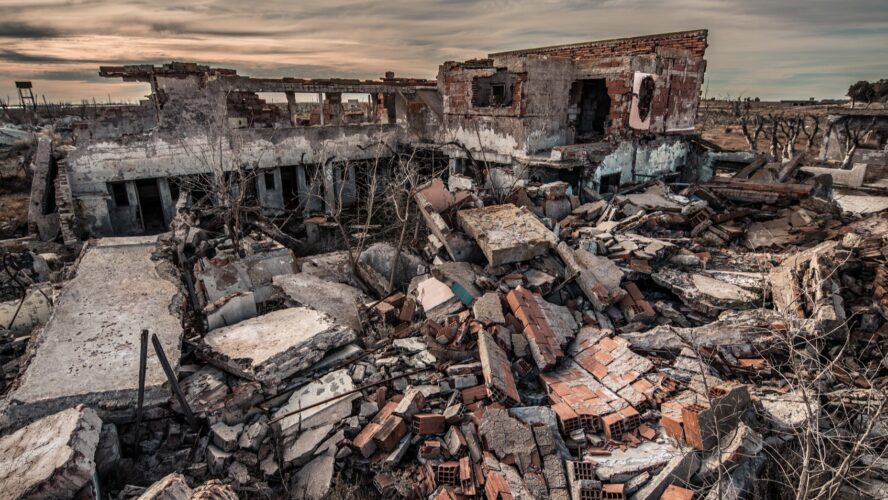
War and displacement may fuel drug resistance, leading to a collapse of systems to prevent, diagnose and treat infections. Trauma and injuries are common, with high risk of infection and suboptimal surgical care. Studies have documented high rates of drug-resistant pathogens in wounds treated in conflict settings. Simultaneously, diagnostic capacity is minimal or destroyed and resistance patterns are unknown, undermining rational treatment decisions.
Disruptions in the antibiotic supply chain aggravate this situation. In places like Gaza, first or second choice antibiotics are often unavailable, leaving patients un-or undertreated. Counterfeit drugs also flood informal markets, fuelling misuse. The collapse of public services amplifies indirect risks and cross-border displacement spreads resistant pathogens beyond conflict zones.
Given competing priorities, it’s difficult to prioritise AMR. Humanitarian actors and governments tend to focus on immediate emergencies like epidemics and trauma care. AMR is perceived as secondary or long-term, even though it directly undermines emergency response.
integrating AMR into humanitarian response is possible with the right policies.
Adapting AMR response to fragile settings
Infection prevention and control is the first line of defence — essential hygiene supplies and clear best practices can help keep patients and frontline workers safe. Vaccines against outbreak-prone infections must also be part of humanitarian health packages. They don’t just save lives — they prevent outbreaks that drive unnecessary antibiotic use.
Accurate diagnosis is equally critical. Field laboratories guide treatment even in the harshest conditions. By adapting existing rapid diagnostic systems for broader use, we can expand diagnostics access and see resistance patterns more clearly.
Treatment must be smarter. Emergency health kits should follow WHO’s AWaRe (Access, Watch, Reserve) system, with simplified stewardship protocols. Resilient supply chains for quality-assured antibiotics, diagnostics and vaccines secure availability.
However, none of this will succeed without communities at the centre. Training local health workers and first responders in hygiene, wound care and appropriate antibiotic use builds capacity and trust. Involving affected communities ensures interventions are realistic and sustainable.
International organisations and global funding mechanisms are increasingly open to fragile contexts nowadays. With innovative technologies, predictable financing, stable supply chains and quality-assured medicines, integrating AMR into humanitarian response is possible with the right policies.
World AMR Awareness Week 2025 is a reminder that resistance respects no borders. A hospital bombed, a laboratory destroyed or water systems contaminated aren’t just immediate tragedies — they drive AMR emergence and spread. If we fail to act now, AMR will erode important defence lines for some of humanity’s most vulnerable populations, with consequences that extend far beyond conflict zones.
