
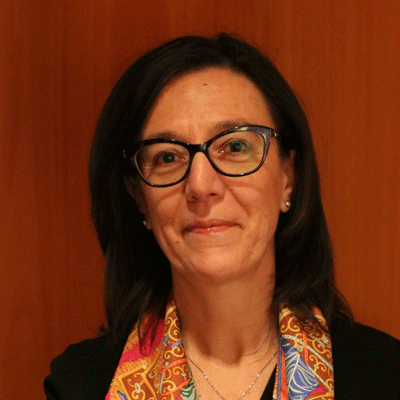
Antonella Cardone
CEO, Cancer Patients Europe

Dr Nveed Chaudhary
Founder & Chairperson, Jibraan Chaudhary Sepsis Research (JCSR) Foundation
Modern cancer treatment is more targeted and effective than ever. But for patients whose immune systems have been weakened by chemotherapy, surgery or transplant, a resistant infection can rapidly turn progress into crisis.
For some cancer patients, the immediate threat to survival isn’t the malignancy, but infection.
Threat of infections and sepsis
If an infection isn’t identified quickly, if the causative pathogen isn’t identified promptly, or if the right antimicrobial treatment is unavailable or ineffective because of resistance, patients can deteriorate quickly. Sepsis can follow, turning a carefully planned cancer-treatment pathway into an emergency.
Alarmingly, Cancer Patients Europe has warned that infections and sepsis play a role in around half of cancer patient deaths. Sepsis — which changes the cancer journey in ways rarely anticipated — can become the most immediate threat to survival, especially because antibiotic resistance makes sepsis harder to treat when urgency matters.
For many, the risk isn’t theoretical. Jibraan Chaudhary was being treated for leukaemia and underwent three rounds of immunodestructive chemotherapy. Following a third round of chemotherapy, when immunocompromised, he developed sepsis and tragically died.
His story illustrates a painful truth: cancer treatment may be advancing, but infection and sepsis can still become an immediate threat to survival, particularly when antimicrobial resistance (AMR) makes infections harder to treat when speed and precision matter most.
Determined to build a legacy from Jibraan’s experience, his father, Dr Nveed Chaudhary, established the Jibraan Chaudhary Sepsis Research (JCSR) Foundation to support research into the prevention, recognition and treatment of chemotherapy- and transplant-associated sepsis in patients with leukaemia and other cancers.
“The resilience of cancer care depends on recognising infection and sepsis much earlier in the treatment pathway,” explains Dr Chaudhary, Chair, JCSR Foundation. “Cancer care must remain safe — from diagnosis to chemotherapy, surgery and transplant.” That means stronger prevention, faster diagnostics, smarter antimicrobial use and better escalation when patients begin to deteriorate.
We must also empower cancer patients
with accessible information about
how AMR may affect their treatment.
Protecting immunocompromised patients
For immunocompromised patients, infection prevention depends on meticulous infection control, protected clinical environments, rapid diagnostics, careful antimicrobial stewardship, vaccination where appropriate and clear escalation pathways when early signs of infection appear.
“Resistant infections and sepsis lead to prolonged hospital stays, repeated treatment cancellations and significant anxiety,” says Antonella Cardone, CEO, Cancer Patients Europe, which advocates for cancer patients, survivors and caregivers, and works to shape policies for better cancer care across Europe. “Even without an active infection, fear of AMR can lead to social isolation and reduced quality of life,” adds Cardone.
The human cost of AMR should therefore drive policy. Cancer Patients Europe’s whitepaper, Combating AMR in Oncology: A Strategic Imperative for EU Health Policy, calls for stronger infection prevention systems, including strengthened infection prevention and control measures, adapted hospital infrastructure, vaccination strategies for cancer patients and caregivers, expanded laboratory capacity and wider access to rapid and reliable diagnostic tools.
“We must also empower cancer patients with accessible information about how AMR may affect their treatment,” says Dr Chaudhary. “That includes understanding why prophylactic antimicrobials may be needed when the immune system is at its weakest, but also why careful antibiotic stewardship matters. Without stronger prevention, rapid diagnostics and responsible antimicrobial use, resistant infections will continue to undermine survival and quality of life for cancer patients,” he adds.
