Global Cause

Yogan Pillay
Director, HIV and TB Delivery, Gates Foundation
Each year, nearly 3 million people with tuberculosis (TB) are ‘missed’ by health systems – undiagnosed or unreported – allowing the world’s deadliest infectious disease to persist.1
Today’s diagnostics are accurate but too scarce, costly or unsuitable for those at most risk.
Some go untreated; others receive the wrong treatment; and drug-resistant strains spread – deepening the global antimicrobial resistance (AMR) challenge.
Far from a distant problem, TB affects over 5,000 people annually in the UK, with London among Western Europe’s highest-burden capitals.2
A new wave of TB diagnostics
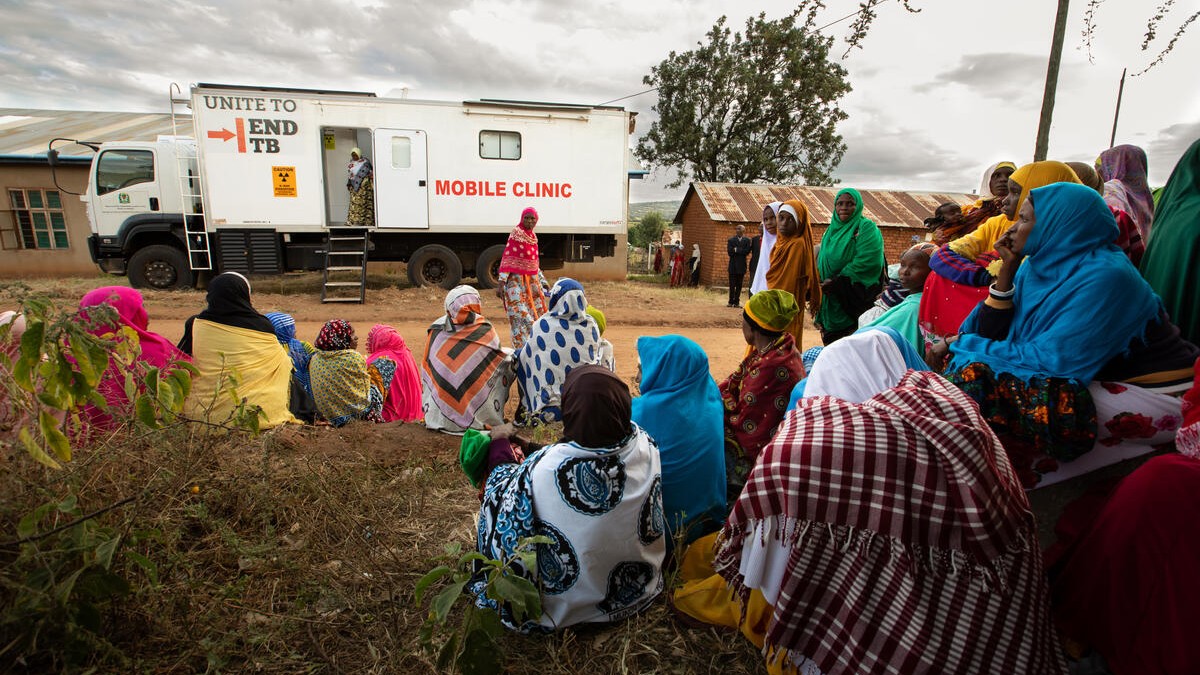
After more than a decade of little progress, innovation in TB diagnosis is emerging. New tools are simpler, cheaper and more portable – with non-invasive samples like tongue swabs instead of sputum – bringing testing closer to communities.
From smaller molecular platforms to sequencing technologies that quickly identify drug resistance to multi-disease tests in development, next-generation diagnostics could transform TB care and close the gap of the ‘missing millions.’
With simpler, cheaper tools, investments can stretch further, diagnosing
more people and delivering greater impact for less.
Driving scale through investment
Scaling innovation for impact requires investment to deliver these tools. The Global Fund to Fight AIDS, Tuberculosis and Malaria is one of the most effective vehicles to do this, but its success depends on donors stepping up.
The Gates Foundation recently committed $912 million to the Global Fund’s eighth replenishment. Children’s Investment Fund Foundation also pledged $50 million to support rapid country rollout of new diagnostics specifically, but far more is needed.
With simpler, cheaper tools, investments can stretch further, diagnosing more people and delivering greater impact for less. As a leader in global health and co-host of this year’s Global Fund replenishment, the UK has an opportunity to help ensure this.
TB will not be beaten with yesterday’s tools
Continued investment in next-generation tools, including diagnostics, is critical. At the Gates Foundation, we are investing across the TB innovation spectrum – including diagnostics, treatments and vaccines – because only with this full pipeline can we turn the tide against TB. Together, collective investment will yield healthier communities and stronger protection against outbreaks for all, including TB and AMR.
[1] WHO. 2024. Global Tuberculosis Report.
[2] Gov.UK. 2025. Reports of cases of TB to UK enhanced tuberculosis surveillance systems, England: 2000 to 2024 report.