 Global Cause
AMR & Infectious Diseases 2026
-

s Sponsored
Antimicrobial resistance innovation needs impact investors
Companies are developing promising new drugs, diagnostics and other tools for fighting drug-resistant infections. Opportunities exist to make life-saving investments. It started with a backyard gardening accident, just a small cut on Rick Bright’s thumb. Within a day, that cut had raised a bump, then part of his hand flushed red. At the clinic, a...
-

s Sponsored
A first all-African vaccine, starting from Ebola BDBV
Making of the first fully African-owned, developed, clinically-evaluated, regulated and end-to-end manufactured vaccine Sub-Saharan Africa faces its 13th Ebola outbreak in a decade, and there is no broadly protective vaccine available to prevent further epidemics by this or other filoviruses. Several species are known (Ebola/Zaire, Sudan and Bundibugyo virus and a distant relative, Marburg virus),...
-
s Sponsored
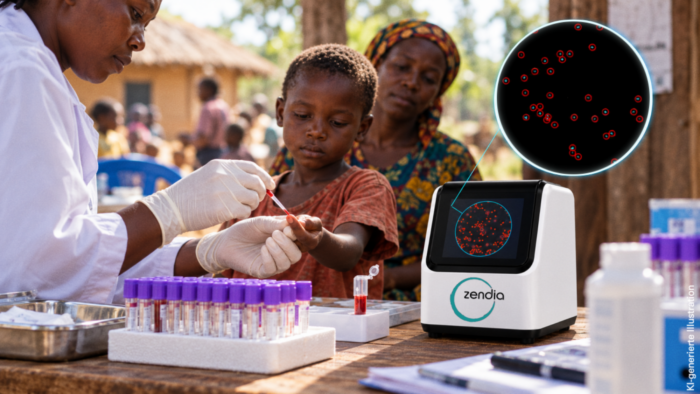
Highly sensitive diagnostics could transform malaria control
The innovative InfectoTest® diagnostic technology will make a decisive contribution to malaria elimination by enabling the reliable and quantitative detection of low-density infections at the point-of-care Malaria remains a major global health challenge. The WHO World Malaria Report 2025 estimates 282 million cases and 610,000 deaths in 2024.1 The reported numbers tell only part of...
-

s Sponsored
Preserving scientific knowledge to accelerate antibiotic discovery
Data management technology company allows scientists and research organisations to securely manage and share drug discovery data in support of AMR innovation. Antimicrobial resistance (AMR) is driven not only by the emergence of drug-resistant pathogens, but by another less recognised obstacle to progress: fragmentation of scientific data. “When pharmaceutical companies reduced their investment in antibiotic...
-

s Sponsored
Built for the real world: data readiness during an outbreak
When infectious disease threats emerge, clinical research depends not only on scientific innovation, but on the systems that keep reliable evidence moving. The Ebola outbreaks of the past decade showed what can be achieved when governments, researchers, sponsors and global health organisations work together. They also taught us that preparedness means being ready to generate...
-

A tool in progress that may soon help beat malaria
Malaria still claims the life of a child every minute of every day. Over 600,000 people die from the disease every year, and most of them are children under five.1 Despite these sobering statistics, malaria science is advancing all the time, and we’re on the cusp of the next generation of lifesaving tools to change...
-

s Sponsored
Making ‘triple elimination’ accessible through antenatal testing
Medical diagnostics company aims to make antenatal screening for HIV, syphilis and hepatitis B more accessible to low- and middle-income countries through its US$1 Triple Elimination Testing Bundle. Human immunodeficiency virus (HIV), syphilis and hepatitis B remain a major public health concern, particularly in resource-limited settings. Importance of antenatal testing The World Health Organization (WHO)...
-

s Sponsored
Preventing tomorrow’s infectious disease threats to protect our long-term health
The future of healthcare depends on preventing illness as well as treating it. Continued vaccine innovation will be vital to protecting communities from infectious disease. The greatest success in healthcare is not always the illness we cure, but the illness that never happens. The UK Government’s 10 Year Health Plan for England identifies a shift...
-
s Sponsored
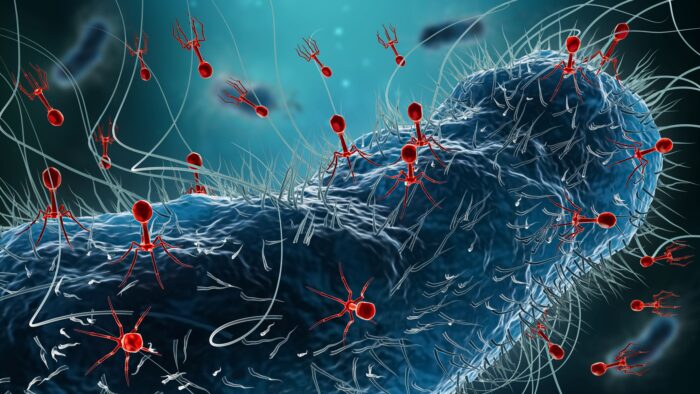
Phage therapy could be the answer when frontline treatments fail
When antibiotics stop working, doctors need alternatives. Phage therapy, a century-old idea, is regaining ground as a precise, targeted treatment. Bacteriophages, or ‘phages’, are natural viruses that infect and kill bacteria. Each phage targets a specific bacterial strain while leaving everything else, including the patient’s microbiome, untouched. Phages work where antibiotics can’t “Antibiotics and phages...
-
s Sponsored
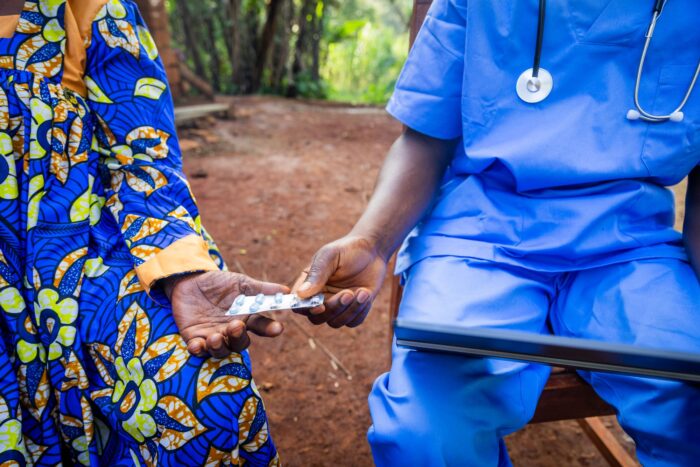
Exploring the human and financial cost of malaria drug resistance
The growing reality of anti-malarial drug resistance stretches health systems, weakens the economy, keeps families poor and affects women and children who are most vulnerable. Dr Michael Adekunle Charles is CEO of RBM Partnership to End Malaria, the world’s largest platform dedicated to eliminating the disease. He notes: “We can blame the mosquito for carrying...