Global Cause



Dan Ferber, PhD
Editor-in-Chief, disAMR,

Mark Bamforth, OBE
Chief Executive Officer and Co-founder, disAMR
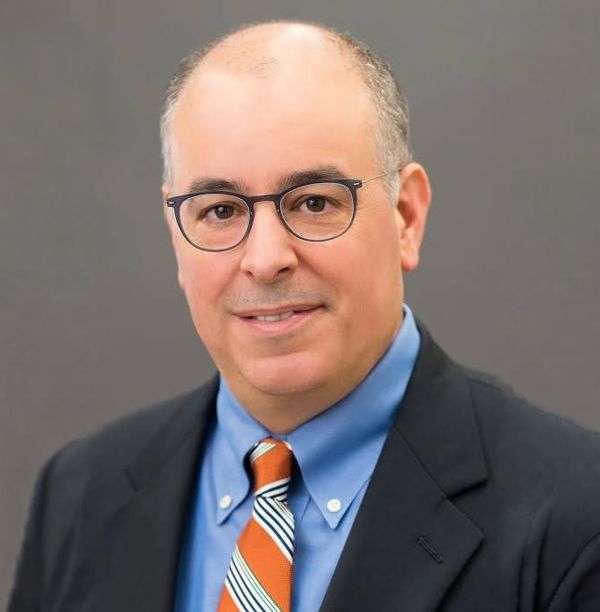
Richard Snyder, PhD
Chief Scientific Officer and Co-founder, disAMR
Companies are developing promising new drugs, diagnostics and other tools for fighting drug-resistant infections. Opportunities exist to make life-saving investments.
It started with a backyard gardening accident, just a small cut on Rick Bright’s thumb. Within a day, that cut had raised a bump, then part of his hand flushed red. At the clinic, a doctor lanced his wound, sent cultures to the lab and prescribed a generic antibiotic. In the past, that might have been the end of the story. But for Bright, then the director of the US Biomedical Advanced Research and Development Agency (BARDA), the story wasn’t over.
Why AMR is a risk to modern medicine
By the time his lab tests finally arrived a week later, confirming a methicillin-resistant Staph aureus (MRSA) infection, Bright had been in the hospital for nearly a week. He was on four antibiotics, only one of which was working, and he was hours away from a possible emergency thumb amputation.1
“We expect antibiotics to work, but we are increasingly seeing antimicrobials that don’t work, or we don’t have them available,” says Mark Bamforth OBE, cofounder and CEO of disAMR, a company established in 2026 to accelerate the development of new solutions to antimicrobial resistance (AMR). “If antibiotics can no longer be relied on, it would undercut many of the advances of modern medicine, including cancer treatment, surgery, transplants and more.”
An underfunded field
Bright’s infection finally succumbed to antibiotics, and he did manage to keep his thumb. But his battle with MRSA highlights two critical needs to help address the AMR crisis: (1) new tools to rapidly diagnose drug-resistant bacteria and determine which drugs will kill them; and (2) new antibiotics that are hard for bacteria to evade.
It’s not science that’s holding back antimicrobial development, according to Bamforth. “There is innovation happening in diagnostics, novel antibiotics, vaccines, phage therapy, biofilm disruption, preventative antibiotic coatings and more,” he says. Instead, the entire field remains seriously underfunded, especially later in the drug-development pipeline, where a pivotal clinical trial might cost USD200 million.
Between 2011 and 2020, for example, 22 antibacterial companies completed their first major round of private financing, a series A-1 round. But those companies received just USD1.6 billion in venture-capital funding over that period, compared with USD26.5 billion received for new oncology-focused companies, according to an in-depth analysis by the Biotechnology Innovation Organization. Public-market investors were just as tight-fisted, investing just over USD0.7 billion in 12 antimicrobial companies, compared with USD12 billion in 109 oncology companies.
Investors, including many large pharmaceutical companies, have shied away from investing in antimicrobials because the market is unattractive. Yet, Bamforth and disAMR co-founder and Richard Snyder see opportunities, particularly for impact investors who want their money to help improve global health.
It’s not science that’s holding back antimicrobial development
Investment opportunity
Bamforth’s experience is vast, as he founded, grew and sold three private-equity backed life-science contract manufacturers, including one where he teamed up with Snyder, a microbiologist and life-science industry veteran.
To help drive private-sector funds into AMR innovation, they partnered with Shailesh Maingi at Kineticos to create a fund focused entirely on antimicrobial resistance.3 Over four years, they spoke as potential investors to leaders of more than 200 young companies and invested in four that were driving “a step change in combating AMR” that promised to save lives, Snyder says.
Toward a global community
In early 2026, Bamforth and Snyder created disAMR, along with cofounder Nigel Walker, the CEO of That’s Nice, a life-science-focused branding and marketing agency. Today, they support companies developing tools to address drug-resistant infections and connect impact investors with AMR innovators.
Ultimately, it will take more than a few focused investments — it will take a global community. “Infectious disease touches every family, and we need effective antimicrobials,” Bamforth says. “We want to help bring together people who see this need and want to make a difference.”
[1] Bright, Rick. 2019. “The Health Security Threat in My Backyard.” ASPR Blog. Accessed November 8, 2026.
[2] Biotechnology Innovation Organization. 2022. The State of Innovation in Antibacterial Therapeutics.
[3] The Kineticos AMR Accelerator (KAMRA) Fund.