Global Cause

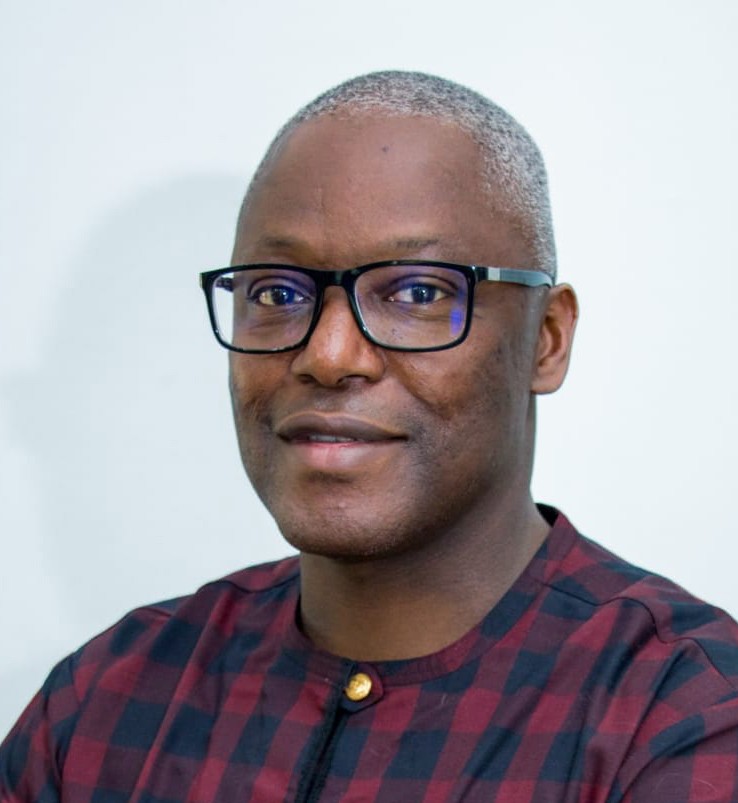
Dr Michael Adekkule Charles
CEO RBM Partnership to End Malaria
The growing reality of anti-malarial drug resistance stretches health systems, weakens the economy, keeps families poor and affects women and children who are most vulnerable.
Dr Michael Adekunle Charles is CEO of RBM Partnership to End Malaria, the world’s largest platform dedicated to eliminating the disease. He notes: “We can blame the mosquito for carrying the parasite and the parasite for evolving,” he says. “We can blame the climate because mosquitoes are now in places where they have never been before. And we can blame the funding crisis because we need around $US9.3 billion to fight malaria1 annually and, currently, we have around $US3.9 billion.”
There’s a human factor, too, says Dr Charles. “When patients start to feel better, they don’t always finish their antimalarial course, which leads to resistance to medication. Then there’s the problem of falsification and people self-medicating and taking antimalarials when they don’t need them.”
If communities are financially burdened,
they may turn to alternative, ineffective medicines
The impact on women, children and poor communities
Consequently, anti-malarial drug resistance is on the rise, predominantly in East Africa, but spreading to countries in Central Africa, south, west and parts of Asia. The strain on economies is immense, but the human cost is incalculable, with children (whose immune systems are still immature) and their mothers being particularly vulnerable.
“The first impact of drug resistance is treatment failure, which can be fatal,” says Olivia Ngou, Executive Director, non-governmental health organisation, Impact Santé Afrique. “Doubt in the efficacy of medication can lead to a lack of trust in the health system. If communities are financially burdened, they may turn to alternative, ineffective medicines.”
Proactive malaria action can prevent treatment failure
There are some causes for optimism, such as The Big Push Against Malaria, a country-centred response to protect gains while building the conditions for eradication. “In the next three or four years, we should see real progress on simpler, shorter treatments,” says George Jagoe, Executive Vice President, Access and Product Management at MMV (Medicines for Malaria Venture). “We have to be proactive to avoid a replay of the crisis of the 1990s, which occurred when malaria drugs failed.”
[1] World Health Organization, 2025. World malaria report 2025. Executive summary. tinyurl.com/2s3pv695