 Global Cause
AMR & Infectious Diseases 2026
-

What could happen to the economy when antibiotics stop working
A crisis hiding in plain sight, antimicrobial resistance (AMR) is threatening health, development and poverty reduction. It demands urgent global action. When antimicrobials fail, countries face higher healthcare costs, worsened health outcomes, reduced labour productivity and disrupted supply chains. The stakes are highest for low-income countries. Unchecked AMR threatens lives and economies Poor antibiotic stewardship...
-

Individual actions that can help address the global AMR problem
Find suggestions for what helps when you experience coughs, colds, ear infections, sore throats and chest infections. Respiratory infections affect everyone, so it’s important to know what to expect, how to manage and when to contact the GP. Preventing infections Fresh fruit and leafy vegetables contain vitamins essential for immune health. Regular exercise activates the...
-
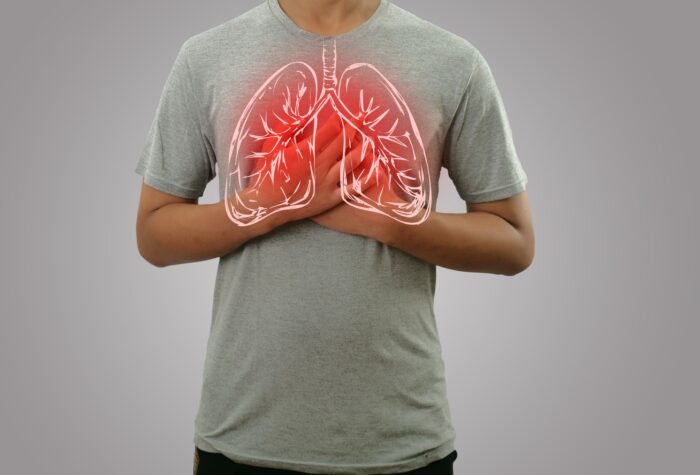
Commitment without action won’t end TB suffering
We know how to end tuberculosis (TB). We have the tools, and commitments have been made. Now, we must deliver on it. Every great breakthrough made in the fight against TB is testament to the inspiring commitment of researchers, healthcare professionals and community champions. While we should take pride in the difference we have made...
-
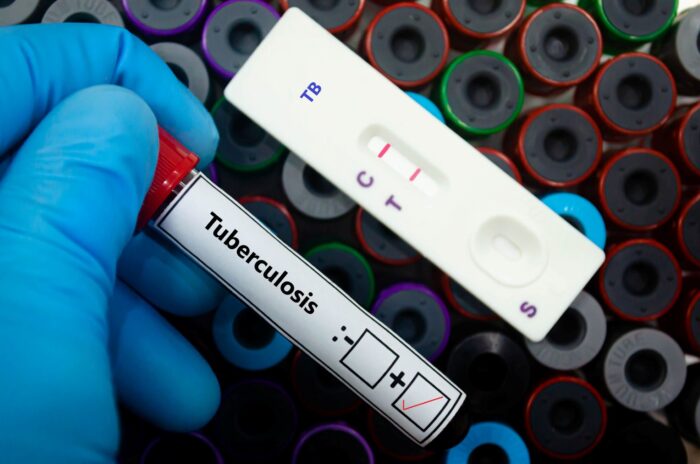
Drug-resistant TB is an AMR emergency
Drug-resistant tuberculosis (TB) is a major part of the AMR crisis. Treatment has come a long way, but shorter, safer options could help cure more patients while decreasing the burden on healthcare systems. When we talk about antimicrobial resistance (AMR), one of the biggest pieces of the picture is often left out. TB is the...
-

Vaccines may be one of our best defences against antimicrobial resistance
From treating childhood illnesses to supporting life-saving care, antibiotics save millions of lives.1 Antimicrobial resistance (AMR), however, is putting that progress at risk. Drug-resistant bacterial infections are estimated to cause 1.27 million deaths each year and contribute to nearly 5 million deaths globally, including around 1 million among children under five.2 The cost of failing...
-

Fixing the global AMR pipeline
Ten years on from the antimicrobial resistance (AMR) Review, the UK’s antimicrobial subscription model proves new antibiotics can be funded sustainably. Discover why a global standard is now essential. Ten years ago, the UN General Assembly, the Davos Declaration and the UK’s AMR Review led by Jim O’Neill launched global political awareness of AMR: microbes...
-
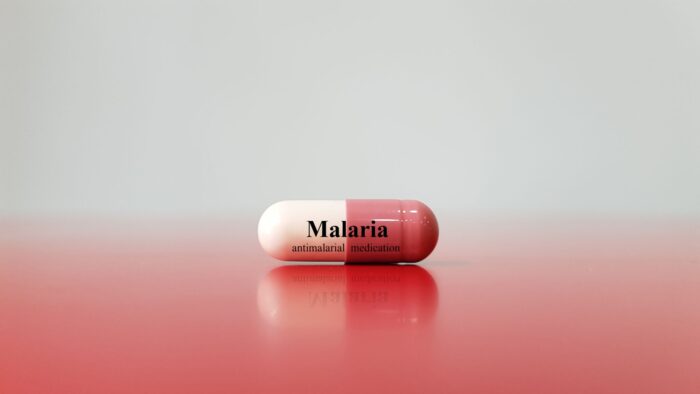
Staying ahead of antimalarial drug resistance to safeguard Africa’s gains
The 2025 Africa Malaria Progress Report places rising antimalarial drug resistance at the heart of a perfect storm, threatening to undo decades of treatment progress against malaria.1 Artemisinin-based combination therapies (ACTs) remain the recommended first-line treatment for uncomplicated malaria caused by the Plasmodium falciparum parasite. However, partial resistance to artemisinin linked to mutations in the...
-
Updated antimicrobial resistance global action plan puts prevention first
Antimicrobial resistance threatens modern medicine, food security and sustainable development. A new Global Action Plan provides a roadmap to protect health and save lives. Antimicrobial resistance (AMR) is one of today’s most urgent health and development challenges.1 Drug-resistant infections threaten the treatment of common diseases, the safety of surgery and the health of people, animals,...
-

s Sponsored
Overcoming sample preparation barriers for pathogen detection assays
By using inhibitor-tolerant amplification enzymes, assay developers can design molecular diagnostics that deliver results faster. Timely pathogen detection is essential for informing infectious disease management. The emergence of point-of-care (POC) molecular diagnostics has significantly improved turnaround time for pathogen detection applications.1 However, these methods depend on nucleic acid extraction, which adds time, cost, instruments and...
-
s Sponsored
Disarming bacteria to defeat resistant infections
Antibiotics are no longer adequate as the only treatment option for bacterial infections. Virulence factor targeting therapies could be a solution to the medical and commercial challenges that antibiotics are unable to address. Pseudomonas aeruginosa is a World Health Organization (WHO) priority pathogen, associated with severe hospital-acquired infections with high levels of antimicrobial resistance (AMR)....