Global Cause
Joy Phumaphi
Executive Secretary, African Leaders Malaria Alliance (ALMA)
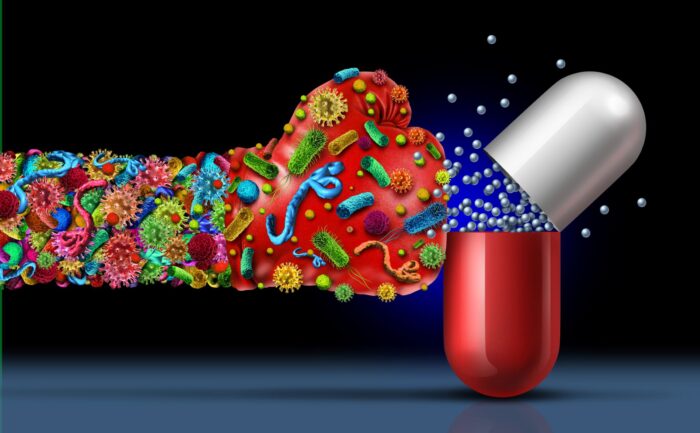
The 2025 Africa Malaria Progress Report places rising antimalarial drug resistance at the heart of a perfect storm, threatening to undo decades of treatment progress against malaria.1
Artemisinin-based combination therapies (ACTs) remain the recommended first-line treatment for uncomplicated malaria caused by the Plasmodium falciparum parasite. However, partial resistance to artemisinin linked to mutations in the malaria parasite is spreading. If resistance spreads further, treatment failures could increase, as could cases of severe malaria, putting lives, livelihoods and hard-won gains at risk.
Unchecked resistance may add to malaria cases
The World Malaria Report (2025) uses modelling to show that unchecked resistance could result in an additional 78 million malaria cases over a five-year period.2 Furthermore, by 2060, treatment failure rates could reach about 31%, translating to more than 50 million treatment failures in that year alone.2 These projections warn us of what could happen to the vision of a malaria-free continent, and why antimalarial resistance must remain a priority within the wider continental AMR agenda.
Research and development must go hand in hand with responsible prescription and use
Three essential actions to stay ahead
First, countries must strengthen surveillance. Countries need high-quality data to detect changes in drug efficacy early and respond in time. Rwanda is already using subnational stratification to guide interventions, including multiple first-line therapies (MFT), informed by surveillance data. Regional Economic Communities are building capacity and harmonising policies across member states to strengthen data sharing.
Second, countries and partners must accelerate the development of new technologies and ensure early introduction. New antimalarial medicines and treatment combinations are needed to expand treatment options. Medicines for Malaria Venture (MMV) is working on two non-artemisinin treatments, active against drug-resistant strains. Additionally, research and development must go hand in hand with responsible prescription and use, supported by continuous capacity building for frontline health workers, to promote appropriate treatment and adherence.
Lastly, none of this is possible without sustained financing. Governments must invest in monitoring, research and rapid rollout of new commodities. Protecting today’s treatments and investing in innovation to stay ahead of resistance are essential pillars of the Big Push Against Malaria.
[1] African Leaders Malaria Alliance, 2025. Africa Malaria Progress Report. tinyurl.com/435j74k4.
[2] World Health Organization, 2025. World malaria report 2025. tinyurl.com/22d8s9hk.