Global Cause

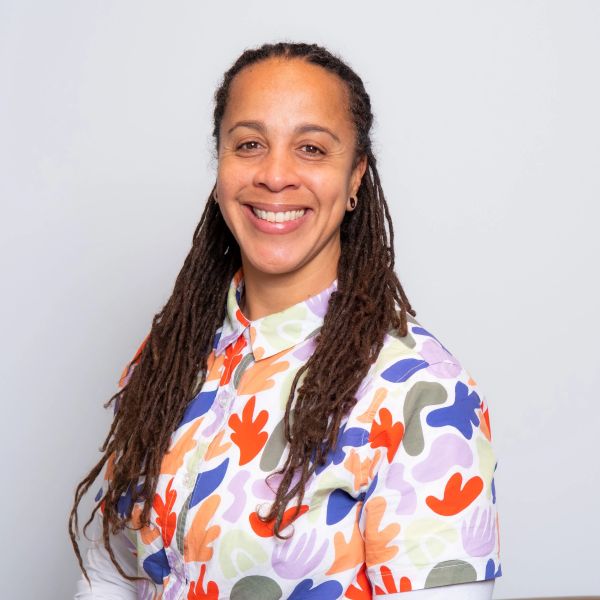
Jules Lynch
Founder and CEO, Global Girl Project
If we’re serious about equality for women, girls and gender expansive people, we must rethink how power, knowledge and leadership are defined globally.
Structures that continue to shape inequality. These systems often centre perspectives from the Global North, while positioning women and girls from the Global Majority as recipients rather than leaders.
From representation to redistribution
Representation matters, but it’s not enough if decision-making power remains concentrated elsewhere. A decolonial feminist approach prioritises redistribution of power, resources and voice. It recognises that women and girls closest to injustice are often closest to the solutions.
Too often, leadership and decision-making spaces, including within gender equality and philanthropy, remain dominated by white, male voices based in the Global North. Even when women and girls are present, power is frequently retained by those most accustomed to setting agendas rather than sharing them. This reluctance to relinquish control, whether conscious or not, continues to limit whose knowledge is trusted, whose leadership is funded and which solutions shape global agendas. Addressing this requires investment in locally led initiatives, trust in community knowledge and resistance to one-size-fits-all approaches.
women and girls closest to injustice are often closest to the solutions.
Worldwide, women and girls navigate intersecting inequalities shaped by race, class, gender, geography and history. A decolonial feminist lens values lived experience as expertise.
When girls explore leadership on their own terms, grounded in communities and cultures, confidence grows, agency strengthens and change becomes sustainable because it’s owned locally.
This approach requires humility from institutions and funders. It asks those with power to listen more, dictate less and recognise that progress often begins outside formal structures.
Building a more just future
Work with women and girls cannot be separated from wider struggles for social justice. A decolonial feminist lens asks not only for inclusion within existing systems, but for those systems to be questioned and reshaped. As we mark International Women’s Day, the question isn’t whether women and girls should lead. They already do. The challenge is whether global systems can recognise and support leadership that looks different.