 Global Cause
Protecting Our Wildlife 2025
-
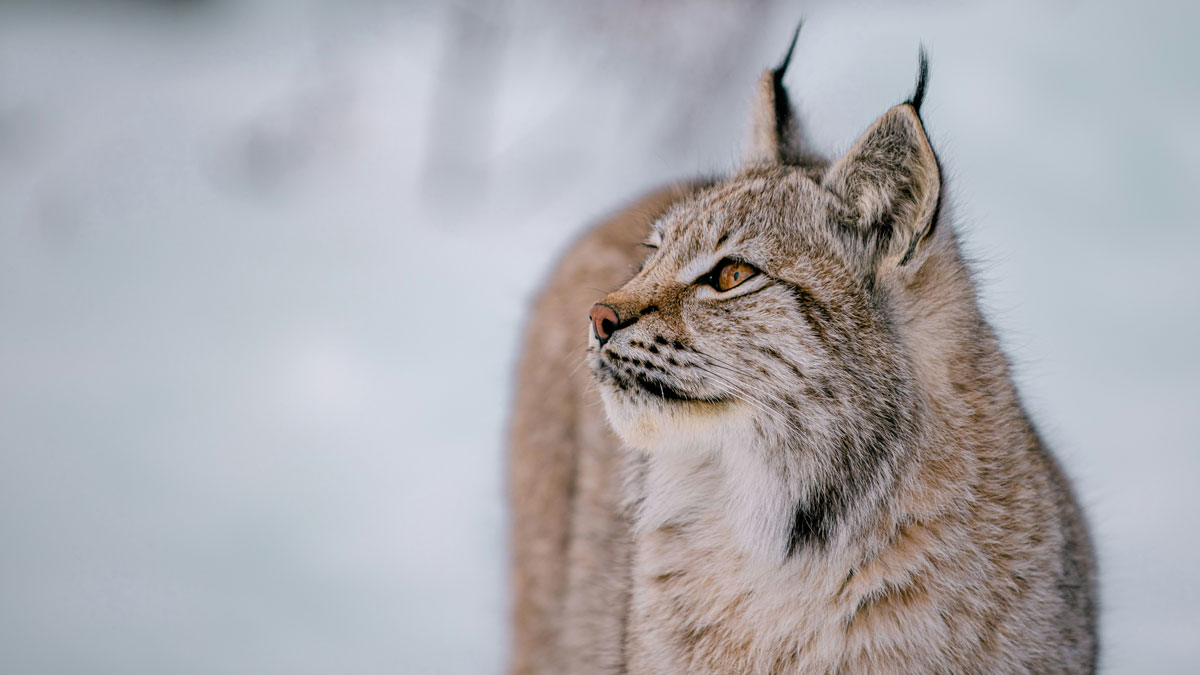
Beyond protection: towards thriving wildlife populations in Europe
Through rewilding, we can shape a tomorrow where both Europeans and European wildlife flourish. European wildlife is amazing. From bison and beavers to wolves and white-tailed eagles, our continent is home to an array of iconic animals that evoke joy and excitement. Safeguarding Europe’s wildlife populations is essential — not just because all wildlife species...
-
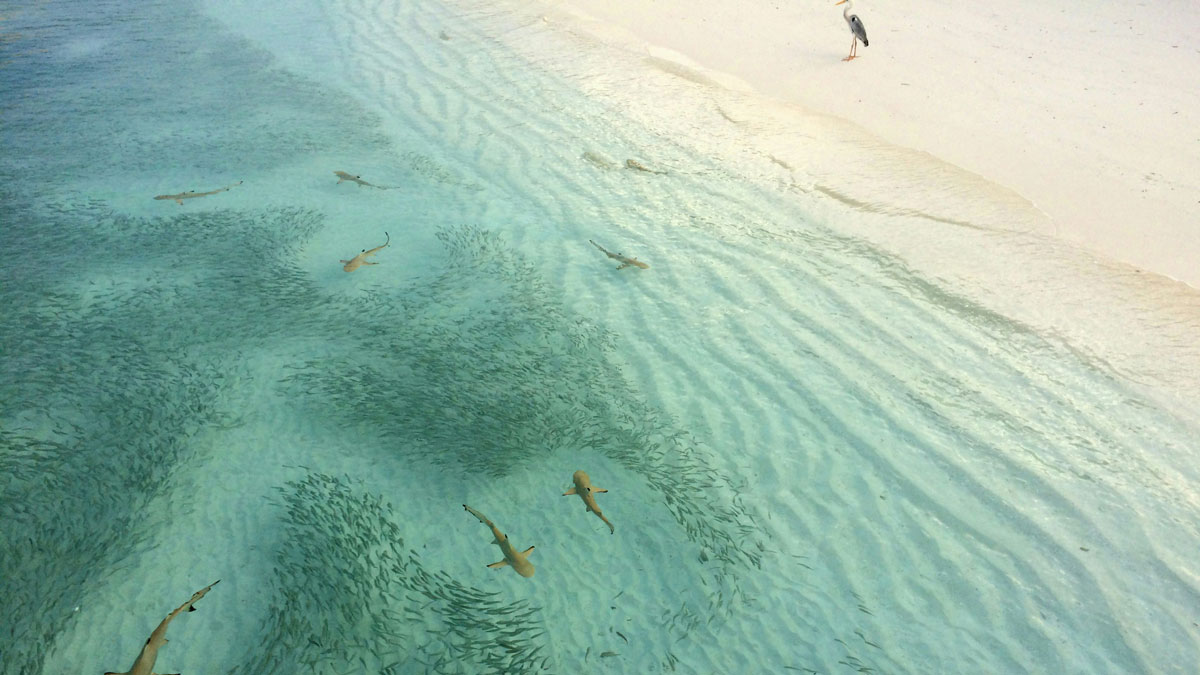
Why human behaviour is critical for wildlife conservation
Empowering people to shift their behaviour is critical for wildlife conservation. Learn why it works. Our planet’s wildlife currently faces crises that seem impossible to solve: biodiversity loss, habitat loss and climate change. Yet, these issues share a common thread: human behaviour. Behaviour change for wildlife conservation Behaviour change campaigns are critical to the long-term...
-
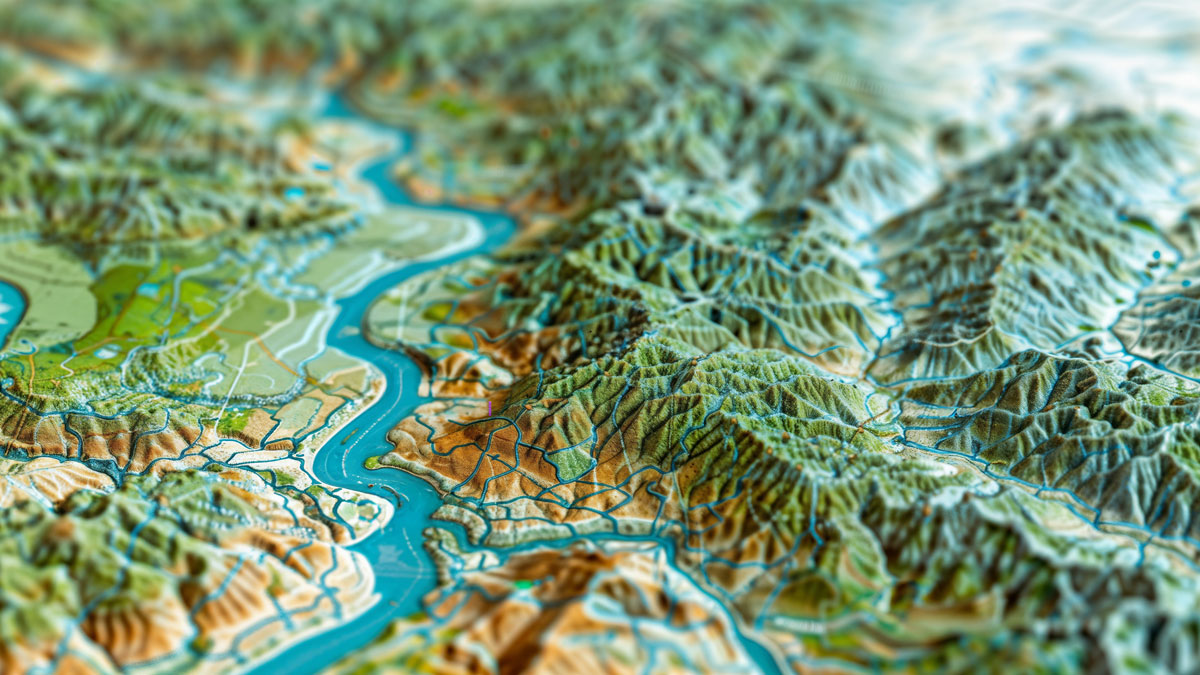
From satellites to sensors: the digital transformation in protected area conservation
By 2030, the United Nations has called for 30% of our planet to be protected.* Yet, most countries are far from reaching this goal. The Connected Conservation Foundation (CCF) enables connectivity and innovative technologies to strengthen protected area management, help local people conserve biodiversity, create jobs and empower local management of natural resources. Technology’s role...
-
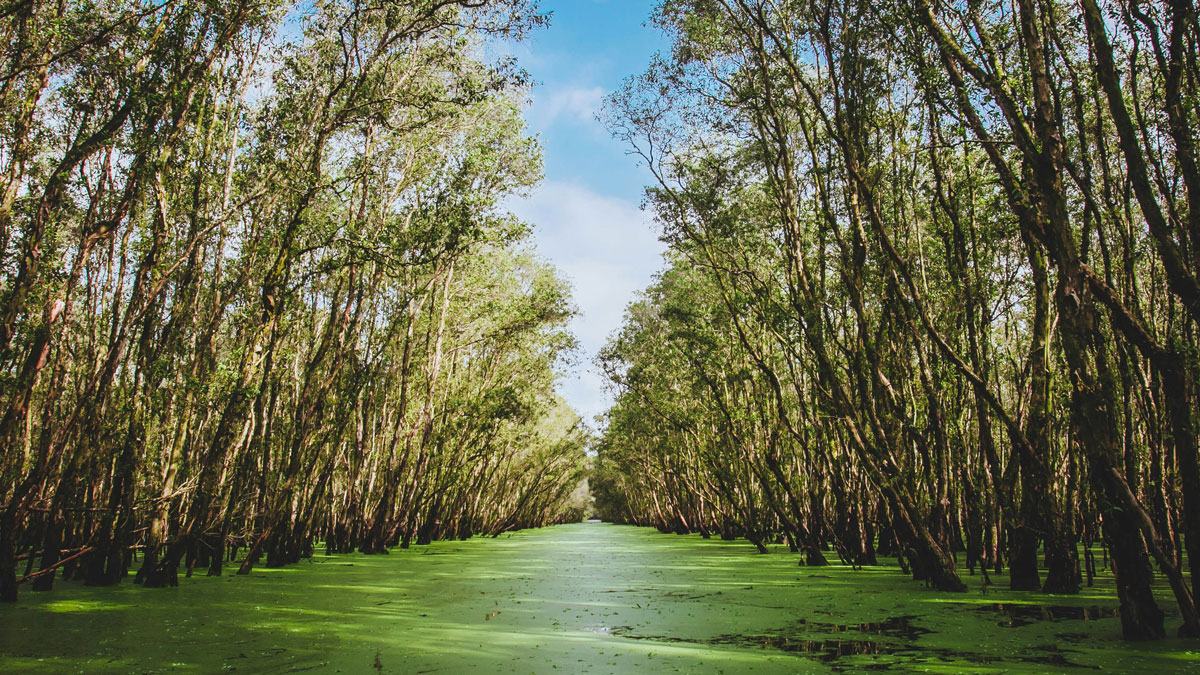
Nature-based solutions to protect people and the planet
In Kenya, climate change threatens both communities and ecosystems. A groundbreaking partnership is harnessing the power of nature to restore these lands and protect the people who live there. WWF-UK and the British Red Cross are partnering to combat the effects of climate change in Kenya. With funds raised by players of the People’s Postcode...
-
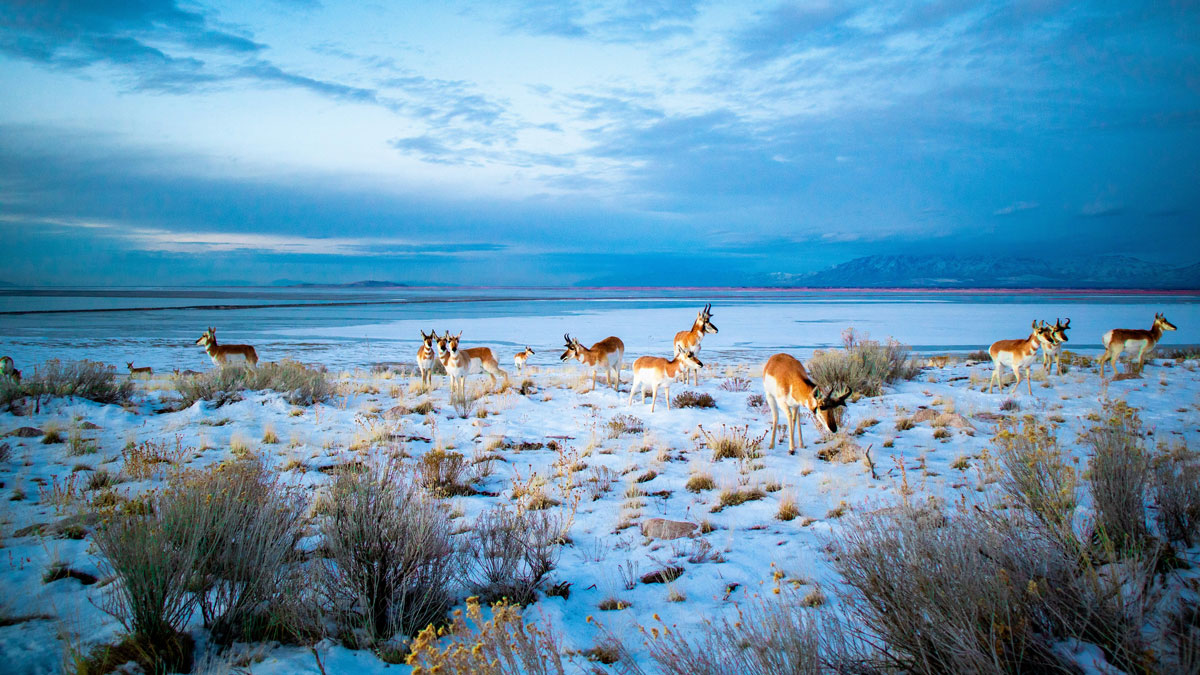
How to ensure wild animals’ right to live wild and free
Often, wild animals are seen as commodities to be used, rather than sentient beings who can feel fear and pain. We have a responsibility to protect wildlife and their habitats. We must make this the last generation of wild animals to suffer the cruelty of human actions or the indignities of captivity. Exploitation of wild...
-

s Sponsored
Protecting vulnerable ocean ecosystems with science, data and technology
Marine protected areas (MPAs) and other conservation measures are increasingly being used by governments to protect fish stocks, fragile ecosystems and endemic marine species. Marine protected areas can also play a vital role in helping to reach the 30×30 goals, through which nearly 200 governments have committed to protecting 30% of the earth’s land and...