 Global Cause
Global Health Resilience 2025
-

Can we beat the next pandemic in 100 days?
Covid-19 vaccines were made in record time, but this still wasn’t fast enough. Speeding up vaccine development to 100 days could better prepare the world for the next outbreak. The Covid-19 pandemic is fading into history. Yet, the threat posed by infectious diseases has not receded. Outbreaks have been simmering, or surging, worldwide. The changing...
-

Why the UK’s global health investments matter more than ever
For two decades, the UK has shaped some of the most consequential advances in global health. Investments in the Global Fund to Fight AIDS, Tuberculosis and Malaria, as well as Gavi, the Vaccine Alliance have not only saved lives but built a lasting impact: faster response times to disease outbreaks, more equitable access to innovation...
-
To beat AMR, strengthen health systems — not just research funding
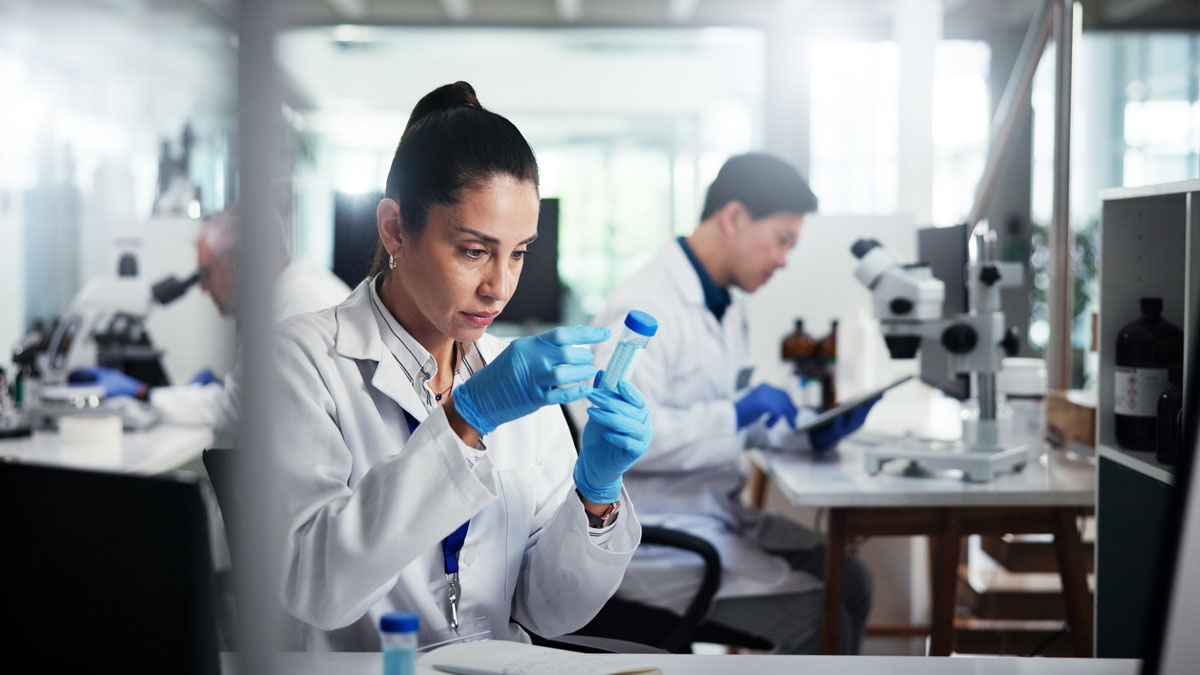
Antimicrobial resistance (AMR) demands more than vertical responses. Learn why lasting solutions require health system strengthening, bold governance reform across health, agriculture and environment and sustained global action beyond isolated interventions. As a global health community, we are confronted by numerous threats to human health and even human existence every decade. When these are particularly...
-

How malaria science makes the UK safer and saves lives
This World Malaria Day, we are calling on the UK government to remember the importance of the security of the country’s health as it strives to make us safer in the face of mounting threats. One of the worlds biggest killers Malaria is one of the world’s biggest killers and the hundreds of thousands of...
-
Fighting against Antimicrobial Resistance: the key to bolstering global health resilience
international cooperation to ensure equitable and effective responses to the crisis. The spread of AMR dramatically limits treatment options, globally threatening life-saving medical procedures. LMICs bear a disproportionate AMR burden due to weaker health systems and economic constraints, hindering effective responses and exacerbating the challenge. Science – policy alliance against AMR The 2024 UN General...
-

The role of innovation in building resilient healthcare systems
Building the resilience and sustainability of health systems is not a new goal for the European Union (EU) and national governments. However, the COVID-19 pandemic was an eye-opener globally on the urgency to better equip healthcare systems for public health threats. Despite health being a national competence for EU member states, the pandemic instigated fresh...
-
From labs to lives: turning malaria vaccine research into impact
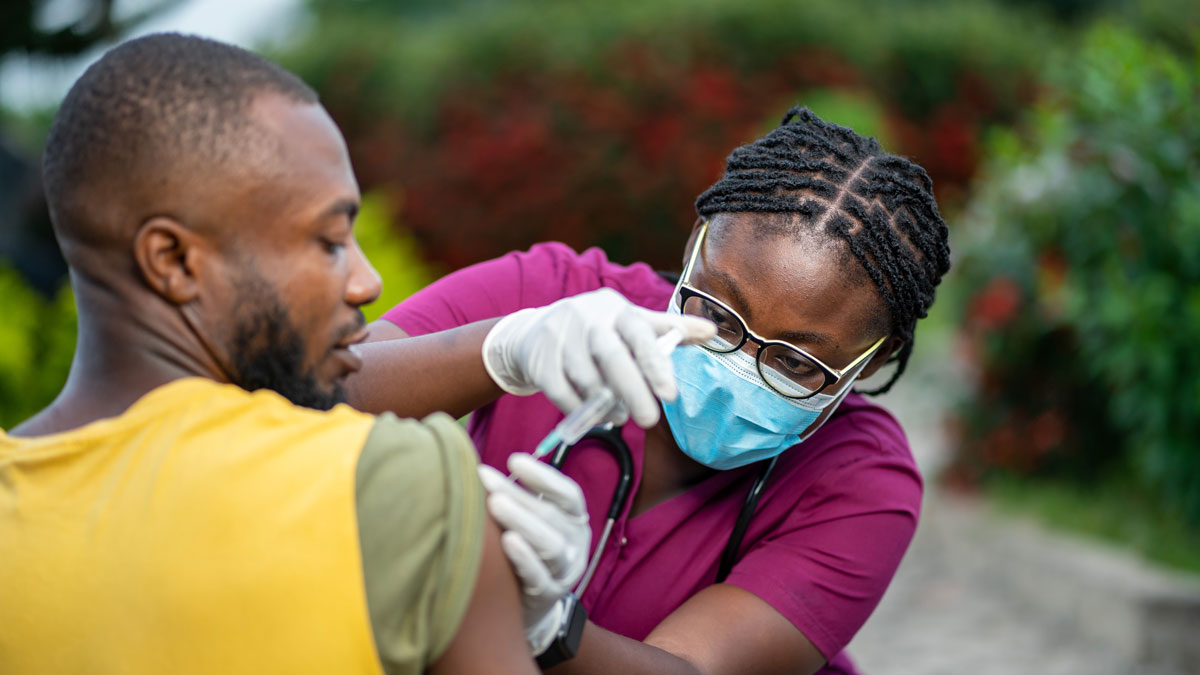
The availability of malaria vaccines is a historic breakthrough in the fight against a disease that remains a leading cause of death in young children, especially in sub-Saharan Africa. Malaria vaccines are being deployed in sub- Saharan African countries, bringing fresh hope for protecting children’s health and preventing needless deaths. However, significant implementation challenges must...
-
The power of vaccines to reduce the impact of chronic diseases
Chronic diseases are on the rise. Vaccines can help reduce the impact on people, health systems and society. This year’s UN High-level Meeting on NCDs and Mental Health provides an opportunity to maximise vaccine benefits. Non-communicable diseases (NCDs), such as cancer, cardiovascular disease, chronic respiratory diseases and diabetes, are the leading cause of ill health...
-

Is pandemic preparedness costing vital resources from other health priorities?
The All-Party Parliamentary Group on Pandemic Response and Recovery (APPG) was set up in September 2021 to examine the impact of Covid-19 pandemic policy and response by the UK Government, advisers and health and regulatory authorities. In the aftermath of Covid-19, claims by the global health community that more frequent and deadlier pandemics are an...
-

How African-led innovation supercharges infectious disease elimination
Against all odds, a growing number of African countries are achieving what was once thought impossible — they are eliminating infectious diseases. Recently, Niger and Guinea each eliminated a neglected tropical disease (NTD), while Cabo Verde and Egypt got rid of malaria. These are remarkable achievements made possible by a collective effort. Fuelled by African...