 Global Cause
AMR Q4 2025
-
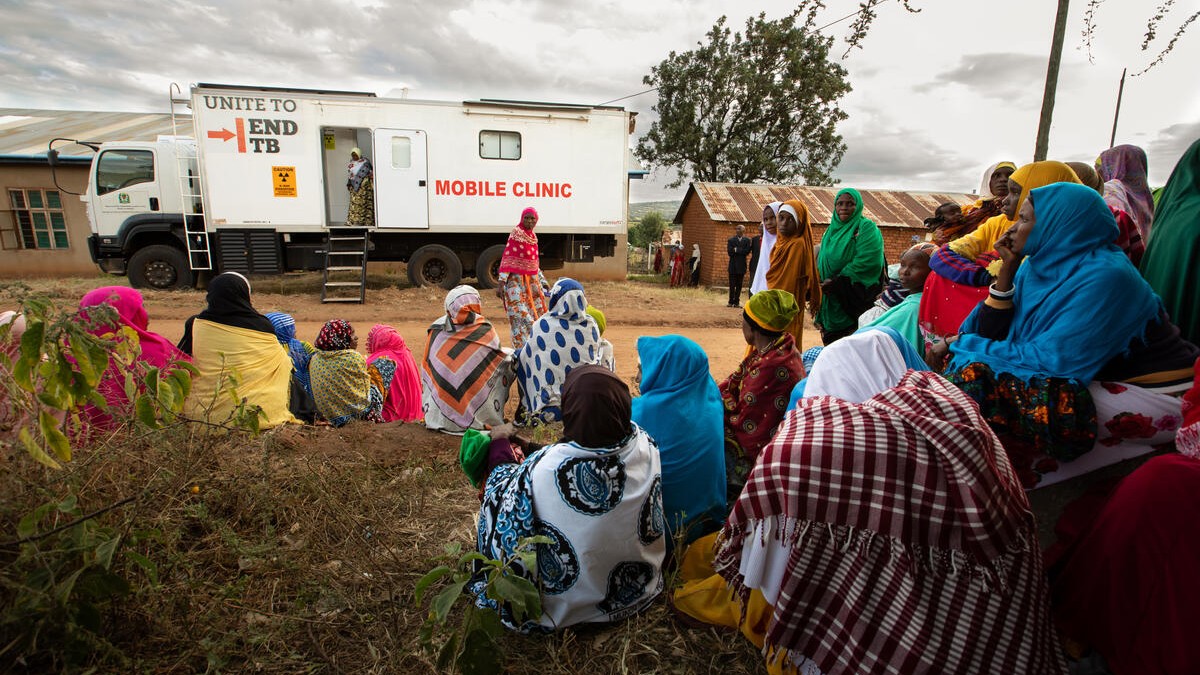
Finding the missing millions: how next-gen diagnostics can transform TB response
Each year, nearly 3 million people with tuberculosis (TB) are ‘missed’ by health systems – undiagnosed or unreported – allowing the world’s deadliest infectious disease to persist.1 Today’s diagnostics are accurate but too scarce, costly or unsuitable for those at most risk. Some go untreated; others receive the wrong treatment; and drug-resistant strains spread –...
-

AMR is a preventable global crisis
Antimicrobial resistance (AMR) affects everyone, threatening our health, economies and food security. We must act on our commitments to tackle AMR, or its impact will only get worse. Antimicrobial resistance (AMR) is a global emergency. Without action, annual deaths could reach 1.9 million by 2050,1 and the global economy could lose $1.7 trillion.2 The UK...
-

s Sponsored
Patient-derived organoids are de-risking clinical drug development
Biotechnology company merges with a leading global life science and technology company to enhance its offering of patient-derived organoid services for clinical drug development. Drug development is a long, costly and high-risk process, often taking upwards of 10–15 years, and typically costing over £1 billion for each new therapy. Drug candidate attrition rates Despite significant...
-

The vanishing antibiotic pipeline is threatening global health
Without market incentives, talent loss and a declining pipeline will leave the world unprepared for the next wave of resistant infections. In 2019, antimicrobial resistance (AMR) caused 1.27 million deaths and contributed to another 5 million deaths worldwide.[1] Left unchecked, those numbers are projected to rise by 70% by 2050.[2] This isn’t a distant public...
-

Break the chain of transmission to end tuberculosis
Ending tuberculosis in high-burden settings requires us to adopt evidence-based interventions. No one should be at risk of this deadly, but curable, disease. It is a profound injustice that millions worldwide remain at risk of tuberculosis (TB) – a disease that is both preventable and treatable. Despite decades of knowledge and effective tools, such as...
-
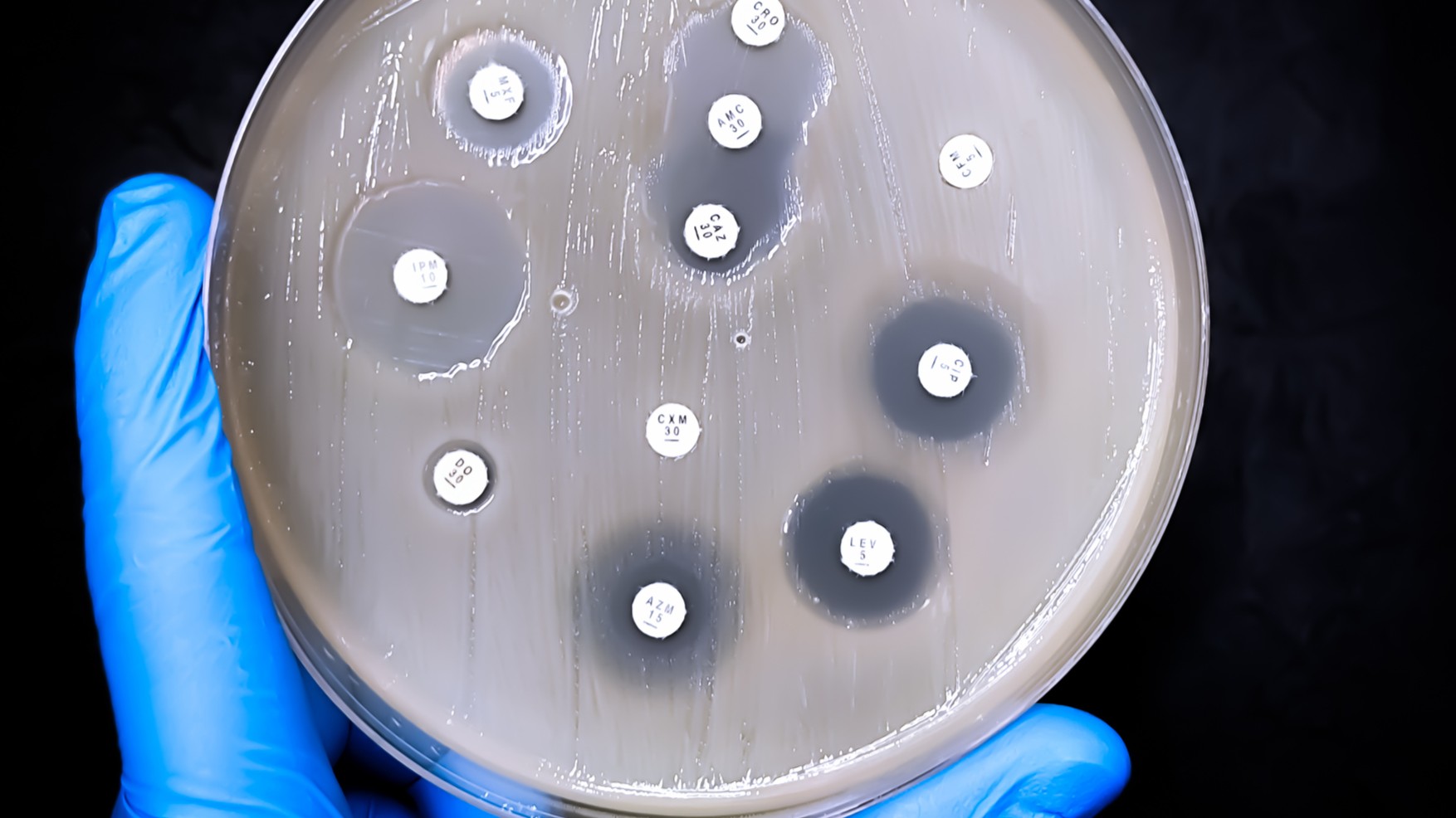
AMR has reached a tipping point
Could changing the way we talk about drug-resistant infections help us tackle the escalating global antimicrobial resistance (AMR) crisis? The latest research suggests that AMR has now reached a critical tipping point, with the number of AMR-associated deaths expected to rise sharply, increasing by more than 70% by 2050.1 Antibiotic resistance outpaces development We already...
-

Better AMR metrics are key to global action
Antimicrobial resistance is rising despite greater global attention. Progress remains slow, threatening health worldwide and demanding urgent action. With such slow progress, we may want to question whether we are focusing on (or at least communicating) the wrong thing. AMR isn’t a disease; it’s a biological phenomenon where microbes evolve to survive antimicrobial treatment. Currently,...
-

A digital stewardship revolution: using innovative technologies to tackle AMR
Antimicrobial resistance (AMR) is one of the greatest global health threats of our time, responsible for more than 700,000 deaths annually, a figure projected to rise to 10 million by 2050 without effective action.1 How technology strengthens stewardship As microorganisms evolve to resist the drugs we use to stop them, we too must evolve to...
-
Harnessing bacteriophages in the fight against antimicrobial resistance
Antimicrobial resistance (AMR) remains one of the most pressing public health challenges of our time, claiming more than 35,000 lives each year in Europe alone.1 Beyond the human toll, its economic burden is staggering, costing the European Union an estimated €1.5 billion annually in healthcare expenses and productivity losses, according to the European Centre for...
-

How international travel fuels the spread of antibiotic-resistant bacteria
Modern medicine, as known today, would not be possible without the availability of effective antibiotics. However, antibiotic resistance is an increasing problem worldwide. Antibiotics are one of the most important inventions in medicine in the past century. With the detection of penicillin by Alexander Fleming in 1928 and its first availability for therapeutic use in...