 Global Cause
AMR & Infectious Diseases 2026
-

s Sponsored
New mode of action antimicrobial against critical pathogen
BioVersys developed a new mode-of-action antimicrobial, currently in Phase 3 and Phase 2B clinical trials, following meaningful Phase 2 and preclinical results. Modern healthcare depends on effective antibiotics, yet growing bacterial resistance means we need not just more of them, but genuinely differentiated treatments for pathogens where today’s options are limited. It’s incredible that in...
-

s Sponsored
Overcoming manufacturing challenges is central to AMR innovation
Working together, innovators and manufacturers can translate scientific expertise into new products and processes that improve treatment decisions — and benefit patients. The global fight against antimicrobial resistance (AMR) is too “broad-brush,” argues Greig Rooney, CEO of CPI, a translational research organisation that helps companies scale ideas into successful products and processes. Faster tests mean...
-
s Sponsored
Breaking the silos in antimicrobial resistance innovation
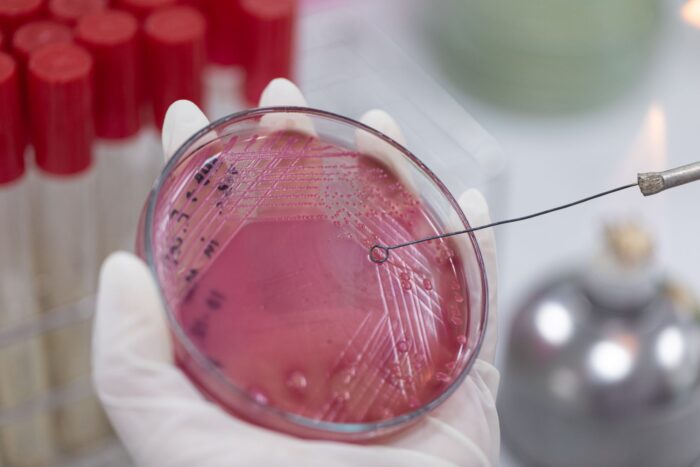
One Health is recognised as an indisputable approach to tackle antimicrobial resistance (AMR).1 Yet, this concept fails to reach the innovation sector against AMR. AMR in humans is linked to AMR in animals and the environment. Antimicrobial use in livestock and, increasingly, crops spreads drug-resistant bacteria. AMR threatens food security and development, and worsens global...
-

s Sponsored
Reliable specimen collection is essential in the fight against AMR
Learn why accurate sample collection and transportation — plus standardised lab automation — can reduce clinical uncertainty and guide responsible antibiotic use. Overcoming AMR doesn’t only involve antibiotic development and responsible stewardship of existing ones. It begins sooner, with early diagnosis, screening and microbiological surveillance — all essential for identifying resistant organisms and monitoring their...
-
s Sponsored
Broadening the therapeutic toolkit against AMR
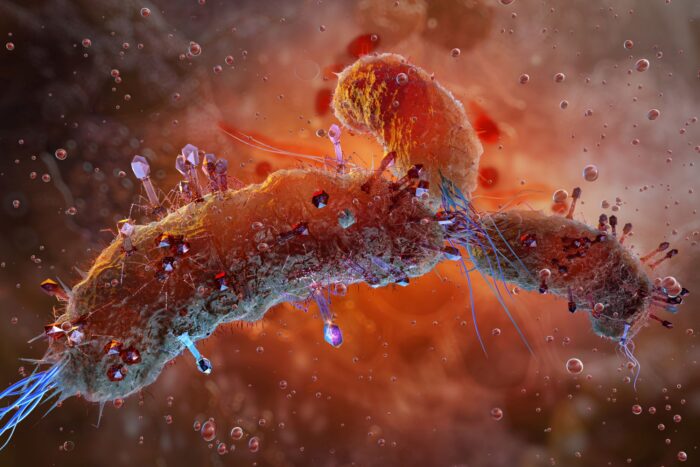
Drug-resistant infections are complex, persistent and placing growing pressure on healthcare systems. For patients living with these infections, the impact is significant, but new therapies offer potential hope for those in need. Around one in six laboratory-confirmed bacterial infections worldwide were resistant to antibiotics in 2023.1 Set against a limited antimicrobial pipeline, the urgent need...
-

s Sponsored
Phage-based prevention as a complementary outbreak tool
Phage-based prevention could protect people at highest risk during outbreaks without adding to rising antimicrobial resistance (AMR) pressures. As drug resistance spreads, treatment options for bacterial outbreaks continue to narrow. Cholera shows how quickly that door closes: a multidrug-resistant strain identified in Yemen has since spread to East Africa.1 Dr Minmin Yen, CEO and Co-Founder...
-

s Sponsored
Connected expertise is reshaping infectious disease research in Europe
A European network of expertise and clinical infrastructure is helping deliver high-quality, coordinated and impactful research to tackle the burden of infectious disease. European infectious disease research is fragmented, often requiring new clinical studies to rebuild infrastructure and procedures. This inefficient use of resources delays study findings and slows patient access to therapies for antimicrobial-resistant...
-

s Sponsored
What happens if anti-infection treatments stop being effective
Antimicrobial resistance can complicate advanced medical treatment, including cancer care. Explore the consequences for patients and clinicians when effective treatment options are limited. Initiated and fully funded by Shionogi B.V. Opinions expressed by Prof Denning are his own and in no way influenced by Shionogi. Patients receiving intensive cancer treatment or other complex medical therapies...
-

s Sponsored
‘The antibiotics with the greatest value are those that are rarely used’
A different economic approach is needed to ensure we are protecting the effectiveness and development of available antimicrobials. Antibiotics must be valued differently from other medicines. Antimicrobial resistance (AMR) is a major public health concern, with bacterial AMR directly responsible for over 1.14 million deaths worldwide each year.1 This figure, however, underestimates the wider societal...
-
s Sponsored
Next-generation vaccine platform takes aim at drug-resistant gonorrhoea
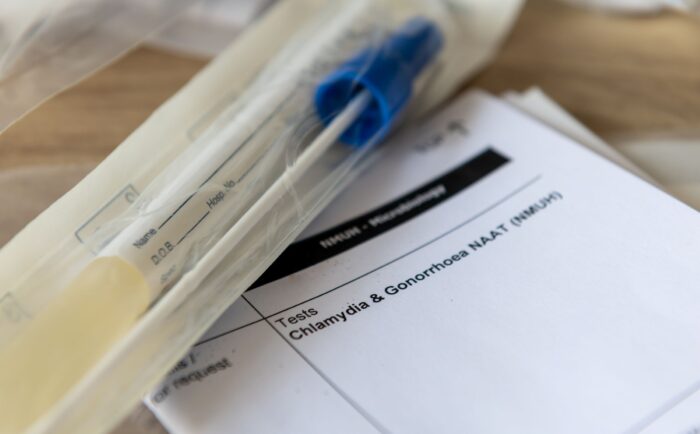
A biotech company has built a scalable, clinical-stage vaccine platform on a proven technology. Its gonorrhoea vaccine aims to prevent infection and combat antimicrobial resistance (AMR). The AMR threat from the common sexually transmitted infection gonorrhoea is serious and growing, stresses Gashi. Resistance to gonorrhoea treatments increases The World Health Organization reports that resistance to...