 Global Cause

In this issue
-

s Sponsored
Putting prevention at the heart of AMR strategies
Infection prevention is not a side strategy; it is the foundation of an effective AMR response. We need a holistic approach which goes beyond routine vaccination, hygiene and sanitation measures. Antimicrobial resistance (AMR) could affect anyone, at any stage of life. It also has a significant economic impact. AMR costs EU countries around €12 billion1 ...
-
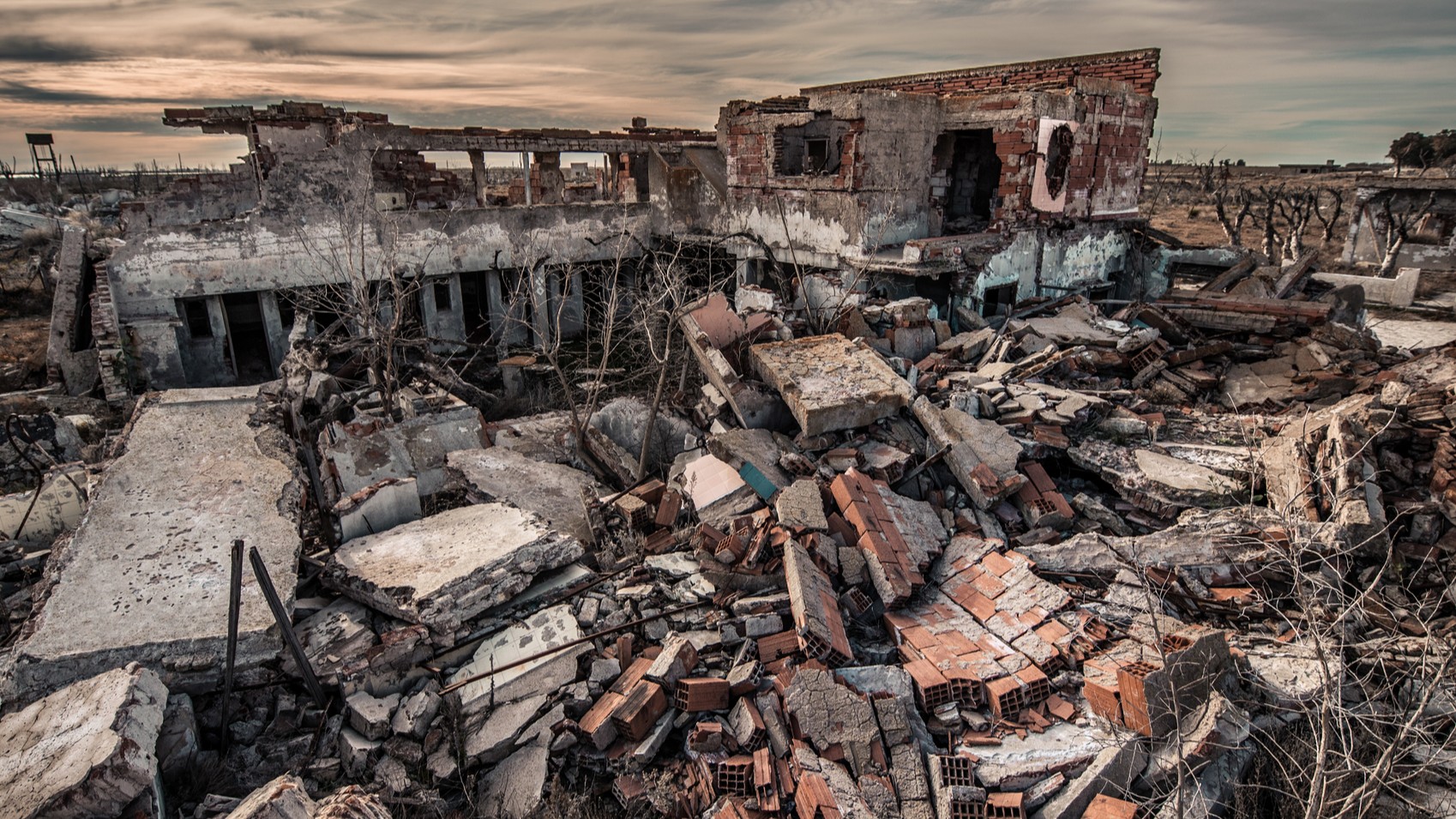
Invisible frontlines: tackling antimicrobial resistance amid conflict and fragility
Antimicrobial resistance (AMR) is a major global health threat. In fragile and conflict-affected settings, this risk is magnified, and the consequences are often invisible. In most conflict zones, health systems become fractured with weak governance, damaged infrastructure, workforce depletion and disrupted supply chains. Policies meant for functional health systems may not work in fragile settings....
-

The vanishing antibiotic pipeline is threatening global health
Without market incentives, talent loss and a declining pipeline will leave the world unprepared for the next wave of resistant infections. In 2019, antimicrobial resistance (AMR) caused 1.27 million deaths and contributed to another 5 million deaths worldwide.[1] Left unchecked, those numbers are projected to rise by 70% by 2050.[2] This isn’t a distant public...
-

s Sponsored
The hidden impact of climate change on mosquito-borne diseases
As climate change continues to affect the planet, its impact on our health is an increasing concern. Rising temperatures are fuelling the spread of mosquito-borne diseases, posing an expanding global health threat. Climate change presents far-reaching consequences on weather patterns, sea levels and temperatures. Beyond the impact on our physical environment, climate change is also...
-

Protecting people’s health through vaccine innovation
Vaccine innovation can help address the health challenges of today and tomorrow, thereby safeguarding people’s health and contributing to a more prosperous Europe. Our society faces significant health threats, from antimicrobial resistance (AMR) and infection-related cancers to challenges brought about by the ageing of the population and climate change. New innovative solutions are needed to...
-

Shielding the future: how vaccines can help combat AMR
Amid growing antimicrobial resistance posing a threat to public health, vaccines are vital to prevent infections and limit resistance spread. Antimicrobial resistance (AMR) is one of the top 10 threats to global health as determined by the World Health Organization (WHO). The emergence of AMR is caused by the loss of sensitivity of bacteria, viruses,...
-

Scientific collaboration on vaccines crucial
With a rising tide of threats from infectious disease spread due to factors like climate change and globalisation the importance of vaccination becomes ever more salient. One positive if unintended consequence of the response to COVID-19 saw many diseases suppressed, but in counteraction there was a negative impact on global vaccine uptake. Post pandemic, unsurprisingly,...
-

Vaccines can unlock protection against humanity’s biggest health threats
Following the pivotal role of vaccines in controlling the Covid-19 pandemic, it is vital to ensure high vaccination uptake, across all ages. With vaccines, many focus on the immunisation of infants against common childhood illnesses, which is vital given recent measles outbreaks in the UK due to falling uptake rates. However, there has been greater...
-

Adult immunisation programmes boost public health and economic prosperity
Vaccinating adults helps ease pressures on healthcare providers and delivers benefits to society more broadly. It’s time to realise that potential value in full. Vaccines are commonly associated with childhood, but their importance extends into adulthood and old age. Recent studies highlighted that adult vaccination programmes are not only beneficial for individual health but also...