 Global Cause




In this issue
-
Circular economy solutions: tackling the climate crisis needs more than clean energy
Accelerating climate action is urgent. Otherwise, as UN Secretary-General António Guterres says: we are on the ‘highway to climate hell.’ Following a somewhat chaotic conference in Sharm el-Sheikh which saw last-minute negotiations in danger of collapse amid stark warnings that the 1.5-degree target was on life support — can COP27 be described as a success? ...
-

s Sponsored
What radical measures can we take to transform the built environment?
Every site has its unique challenges. But the flexibility provided by today’s up-to-date materials allows every building to meet its full energy efficiency potential while meeting the needs of its users. Buildings are responsible for 37% of global emissions, according to the UN Environment Agency, so creating energy-efficient living and working spaces is essential to...
-

s Sponsored
Why poor insulation could be the wrecking ball for climate targets
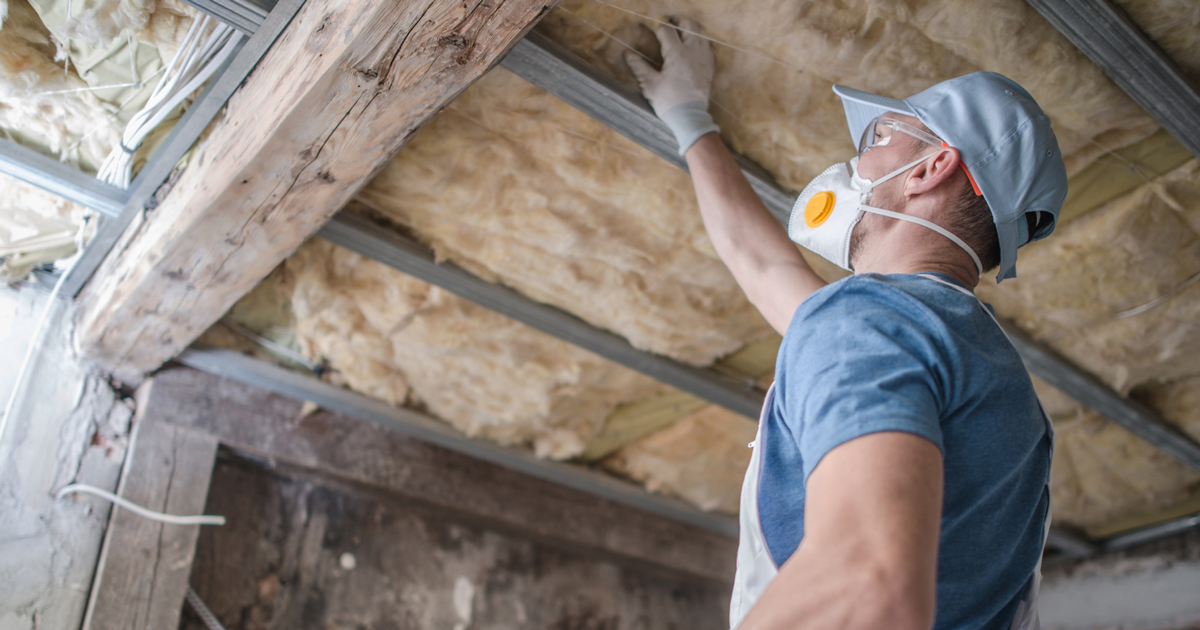
The world needs to achieve net zero by 2050 if we’re to avoid the catastrophic impacts of warming above 1.5⁰C. Heat leaking from our buildings could be a critical roadblock. A study from BPIE shows that improving wall and roof insulation could reduce the energy demand of homes in selected EU member states by 45%....
-

COP out 27: tech firms step up where countries may fail
COP27 was, sadly, not what everyone had wished for. The ‘implementation COP’ saw many countries come to the table with a lot less than what was required as the current global geopolitical situation dampened ambition. Not all the agreed targets were watered down at COP27, and the consensus is that 1.5 degrees is just about...
-

It’s up to us to drive climate action through community leadership
We are closing a truly historic year for climate action. The world’s largest economy and historical polluter passed the most ambitious climate bill ever. Australia — a major economy and coal producer — passed its own landmark legislation barely two months later. In Brazil, voters rejected a strongman with a wanton disregard for both truth...
-

s Sponsored
Genome Editing Supports Crop Solutions to fight the climate crisis
The climate crisis poses an enormous challenge to agriculture; we need innovations such as genome editing that can help plants adapt to evolving environmental stresses. Staple food crops endure extreme heat, drought and flooding while defending against pests and diseases. This is predicted to get more challenging for farmers. Only at CropLife International, we believe...
-

Corporate demand for renewables is hard to ignore
With the era of cheap fossil fuels now over, world leaders must grasp the opportunities presented by ready-to-use renewable technologies. It’s not only the general public that wants to see more renewables. There is a growing corporate movement calling for greater access to renewable electricity as well, with billions of dollars in investment up for grabs. The countries with the...
-

s Sponsored
Businesses must act now on the climate and nature emergency
For any business, adopting a purpose-driven approach and collaborating deeply will help bring about a sustainable future. Buildings are a key component of a sustainable future, with focus needed on both carbon and nature. We must equip people with the skills to deliver greener businesses and better buildings. Buildings as part of the solution ...
-

s Sponsored
Why the food sector should be a major part of the climate solution
The food and agriculture industry is responsible for nearly a third of all carbon emissions, so must be a major part of the solution to the climate crisis going forward. If the world is serious about getting to grips with the climate crisis, agriculture and food production must feature more prominently in the debate. After...
-

s Sponsored
Digital twins: the climate tech solution driving the decarbonisation of the built environment
We all know to tackle the climate crisis we need to protect our green spaces and make our travel, shopping and diet choices greener. But have you paid any thought to decarbonising your buildings? The built environment represents a key area in which emissions reductions can and must happen to limit global warming within the 1.5℃ threshold....