 Global Cause





In this issue
-
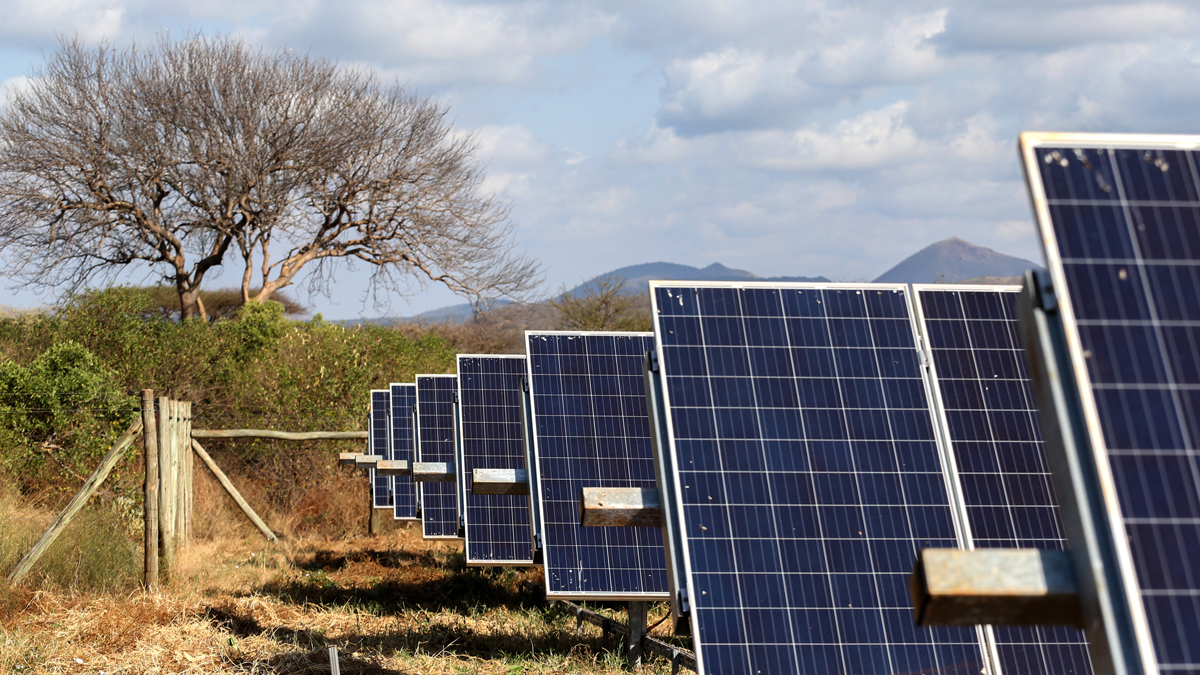
Powering Africa’s future with climate-smart innovation
As global leaders gather at COP29 in Baku, a priority for Africa is clear: accelerating access to reliable and sustainable electricity. Today, nearly one in two people in Africa lack access to electricity. Without affordable and sustainable power, Africa will not reach its development aspirations or the economic transformation needed for a world free of...
-

Three ways insurers are investing in ecosystem restoration to combat climate change
Discover the three ways insurers can support ecosystem protection and restoration in developing countries, both in their role as insurance providers and as investors. Following COP29, the focus on financing climate action in developing countries highlights an opportunity for insurers to play a vital role in ecosystem restoration. Many are adopting insurance for nature-positive solutions to...
-

Advancing COP29 climate finance targets through a human rights approach
Following ambitious new climate finance targets set at COP29, there is a growing consensus that a fair and inclusive human-rights-based approach is essential for effective climate action. Human rights are one of the four thematic areas shaping the banking industry’s approach to climate finance over the next five years. Integrating human rights considerations into climate...
-

s Sponsored
Tackling the ocean crisis to unlock a safer, fairer future
Tackling the multiple threats facing the ocean is essential to ensuring a safe and fair future for humanity, according to experts from the University of Exeter. Threats including climate change, plastic and chemical pollution and overexploitation are complex and interconnected — so, solutions must be holistic, leading to more resilient marine ecosystems. Protecting the ocean...
-

s Sponsored
Catalysing change: why transforming global food systems plays a critical role in stopping the climate crisis
Food systems are now firmly on the sustainability agenda, and it is easy to see why. Today, 2.4 billion people lack consistent access to sufficient food1, while food systems generate a third of global greenhouse gas emissions2. Perhaps most shockingly, a third of all food produced is wasted.3 With the global population set to increase to...
-

s Sponsored
Multidimensional training programme: unlocking green skills for clean growth
Training programmes that deliver high-value skills are vital for the UK’s transition to a net zero economy. Achieving net zero is a multidimensional challenge involving a range of social and geopolitical factors and a complex network of stakeholders. It not only spans academic disciplines but also requires innovation, policy development and skills training. Over the...
-

Sustainability over substance: how to combat greenwashing in packaging
Packaging is often painted as the villain in sustainability narratives. However, through remarkable advances in sustainable materials and designs, it has the potential to be the hero of our planet’s future. We need to be able to separate genuine, substantive sustainable choices from paper-thin greenwashing claims. As COP 28 begins amidst a global regulatory movement...
-

How we can end plastic pollution faster, together
During the decades between COP1 and COP28, the climate situation has become — in many ways — worse. Plastic pollution is everywhere; greenhouse gas emissions from plastic production are expected to more than double by 2060. In 1995, the same year that the very first United Nations Framework Convention on Climate Change (UNFCCC) Conference of the...
-

The earth is a finite planet, and critical raw materials aren’t endless
As we move away from using fossil fuels and rely more on renewable energy, the resilience of critical raw material supply chains will become more tested than ever. Critical raw materials like lithium, nickel and tungsten provide the means to manufacture products — from batteries for phones and electric vehicles to engine parts. These materials...
-

Youth from all over the world are moving from words to action
A year has passed since young climate leaders convened in Milan for a trailblazing international youth event, where they collaborated on a comprehensive list of demands for policymakers. The delegates’ Youth4Climate Manifesto crisply articulated their shared vision of a sustainable future — but how have young people followed up? Diversity in action Reem Al-Saffar —...