 Global Cause




In this issue
-

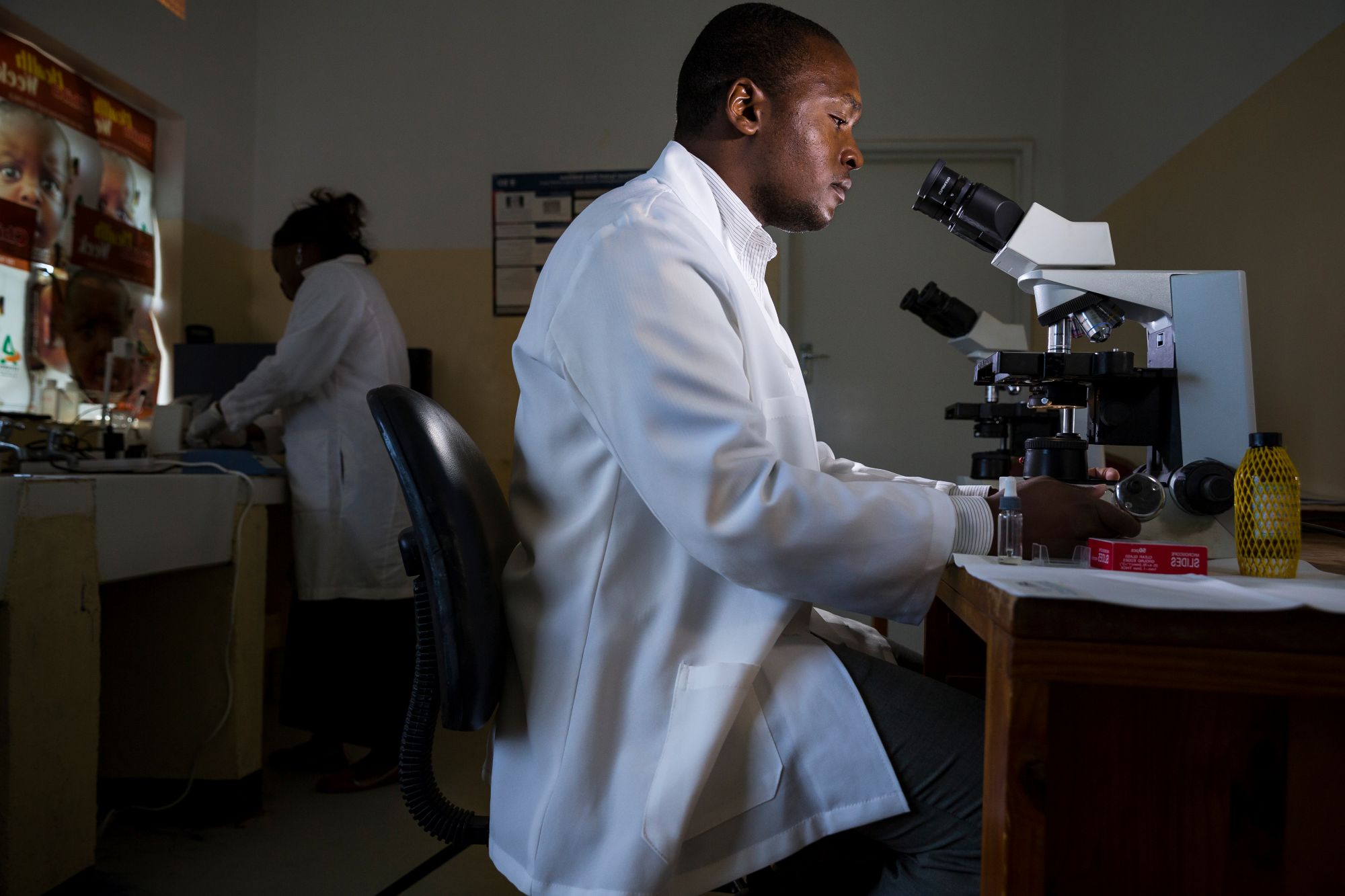
Known unknowns: why lab capacity is the missing piece in the AMR puzzle
The UK Government’s 20-year vision is of ‘a world in which antimicrobial resistance is effectively contained, controlled and mitigated.’ It’s a fine ambition, but it begs the question — how will we know? The only certain way to detect resistance is to test bacteria in a microbiology laboratory. That’s not a problem in the UK...
-

To counter antibiotic resistance, we need to expand antibiotic access
Accessing the right antibiotic at the right dose and at the right time can mean the difference between life and death for a patient with a serious bacterial infection. Lack of antibiotic access acutely affects people with drug-resistant infections in need of new antibiotics. One study found that only 10 of the 25 new antibiotics...
-

How the agriculture industry plays a crucial role in the fight against AMR
Theagriculture industry has made significant progress in the fight against AMR however, the industry needs to continue to meet set targets to strengthen the response to the AMR challenge. The Responsible use of Medicines in Agriculture Alliance (RUMA)1 was established in 1997 to promote the highest standards of food safety, animal health and animal welfare in...
-

s Sponsored
Financing the fight: the role of investors in the fight against AMR
The global risk of antimicrobial resistance is increasing, and investors are harnessing their power to turn the tide on AMR. The COVID pandemic has seen antimicrobial resistance (AMR) become a key item on the G7’s agenda, with health and finance ministers committed to ‘curb the silent pandemic’. The finance sector must play its part in...
-

Antibiotic resistance: A global, silent pandemic that is solvable
Antibiotics are one of the most powerful tools in healthcare and almost everyone relies on them at some point. Because we use them so much, it can be easy to forget just how important they are. Without antibiotics, the minor becomes major. A cut on the finger can be risky and routine surgeries could become life-threatening. ...
-

s Sponsored
Back to nature: dark biological matter can lead us to new antibiotics
Can nature and bacteria themselves provide us with the next-generation of antibiotics to fight superbugs? We strongly believe the answer is yes. Approximately two out of three antibiotic classes used today find their origins in natural compounds derived from bacteria or fungi. Most of them are small molecules, called secondary metabolites, produced by bacteria themselves....
-

s Sponsored
Wound care management: assess sooner, act faster and address earlier
Antimicrobial stewardship is a critical factor within effective wound care. It ensures that antimicrobials (including antibiotics and topical antimicrobial dressings) are used efficiently and appropriately, with the right product delivered to the right patient at the right time to support good clinical outcomes and avoid the spread of infection. Education to deliver appropriate intervention Education,...
-

Working together to stop a ‘silent pandemic’
Figure 1 Technician Sandy Cheng helps Dr Sophie St. Hilaire on a nanobubbles research project in Hong Kong The UK’s global partnerships are fighting against drug resistance. Antimicrobial resistance (AMR) is happening right now across the world. The United Nations and its member countries are committed to ensuring healthy lives for all by 2030. The...
-

Increasing pharmacists’ leadership skills through antimicrobial stewardship
Leadership is a key skill required of pharmacists across all sectors of care and in tackling AMR, highlighting the critical role that pharmacy leadership can have on effective antimicrobial stewardship (AMS). Leadership development and AMS feature as two of the 21 development goals of the International Pharmaceutical Federation. In addition, frameworks to support leadership development for pharmacists...
-

The overuse of antibiotics is one of the biggest threats to health care
In health care, antibiotics are one of the most powerful drugs for fighting life-threatening bacterial or fungal infections. However, too many antibiotics are being used unnecessarily and misused, which threatens the usefulness of these important drugs. Antibiotic resistance is one of the greatest public health challenges of our time as there are limited treatment options...