 Global Cause




In this issue
-

Talent loss and market issues are a major threat to addressing global AMR crisis
Growing resistance to antibiotics has rapidly become one of the world’s most important global health threats. The latest research estimates that almost 40 million lives are at risk over the next 25 years if we fail to act.1 In response, the United Nations convened a pivotal High-Level Meeting in September – its first on antimicrobial...
-

New AMR research programme in Africa will address ‘silent pandemic’
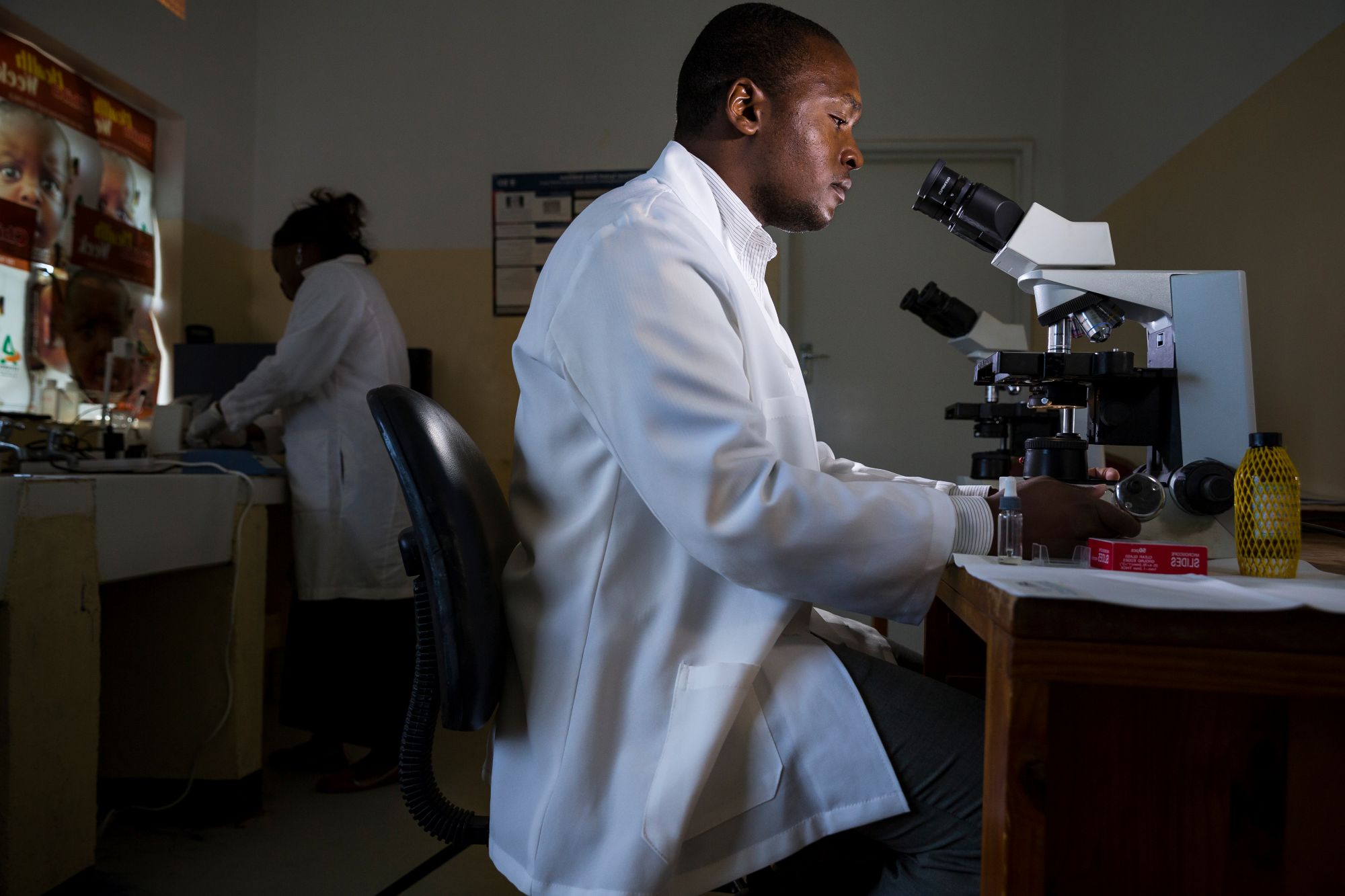
A new collaboration to tackle antimicrobial resistance in Africa could play a vital role in tackling what has been called a ‘silent pandemic.’ The Centre for Translational AMR Research (CTAR) Programme is a new collaboration between the self-funded medical research charity LifeArc and the Holistic Drug Discovery and Development Centre at University of Cape Town....
-

Building policy and science partnerships to combat AMR
The rise of antibiotic resistance threatens life-saving medical procedures. Coordinated global action based on scientific evidence is crucial to combat this growing health crisis. Many lifesaving procedures in modern medicine are only possible because of the availability of highly effective antibiotics. The increasing global spread of multi-resistant pathogens is fundamentally challenging these achievements. Strategic approaches...
-

Tackling the superbug threat: a call for strengthened pharmaceutical systems
Recommendations from the Commonwealth Pharmacists Association (CPA) offer a roadmap for more resilient and effective healthcare systems that are better equipped to protect us from future health challenges. Effectively addressing antimicrobial resistance (AMR) requires a comprehensive approach. By strengthening pharmaceutical systems, we can not only contribute to combating this global health threat but also improve...
-

The 2024 UNGA HLM political declaration: a milestone for antimicrobial resistance response
In a historic step forward, the United Nations General Assembly (UNGA) adopted the High-Level Meeting (HLM) Political Declaration on AMR in October 2024. This unprecedented international commitment reflects the global community’s recognition of AMR as one of the most urgent global threats. The UNGA HLM political declaration on AMR provides hope for an effective, coordinated...
-

s Sponsored
How to stop the cycle of environmental contamination that begins in hospitals
An on-site treatment solution decontaminates hospital wastewater — a key channel for antimicrobial resistance (AMR) — before antibiotics and harmful pathogens find their way into the natural environment. If it wasn’t for the antibiotics administered in hospitals, patients could die from routine surgeries and common illnesses. Yet, ironically, the ubiquity of antibiotic treatment in hospitals...
-

s Sponsored
Why antifungal resistance is a global health concern — and how we can fight it
Rapid fungal diagnostics save lives and have a positive impact on antifungal resistance, says Dr Tom Chiller from the Centers for Disease Control and Prevention (CDC) in the US. Dr Tom Chiller: As the climate and environment are changing, fungi are adapting. They’re ubiquitous opportunists that cause many different syndromes and diseases, which I’d put...
-

Why multifaceted action is needed to combat antimicrobial resistance
Antimicrobial resistance (AMR) is one of the greatest public health challenges today, claiming over 33,000 lives annually in Europe and threatening modern medicine’s effectiveness. The economic toll is staggering, costing the EU approximately 1.5 billion Euros annually in healthcare expenses and productivity losses, according to estimates from the European Centre for Disease Prevention and Control...
-

Why antibiotic development and access are key to tackling drug resistance
Having remained relatively steady for the last three decades, the number of drug-resistant infections is now expected to rise sharply as treatment options decline. Drug-resistant infections are already one of the world’s biggest killers, but the latest research into global antimicrobial resistance (AMR) trends suggests that we may now need to brace ourselves. By 2050,...
-

Neglected AMR pandemic gets a new United Nations declaration
The recent United Nations declaration on AMR marks a significant step forward in addressing the crisis, but additional efforts and support are essential. Antimicrobial resistance (AMR) was first addressed on the global stage at the United Nations General Assembly (UNGA) nearly a decade ago, in 2016. Lack of funding in AMR The first UN declaration...