Global Cause
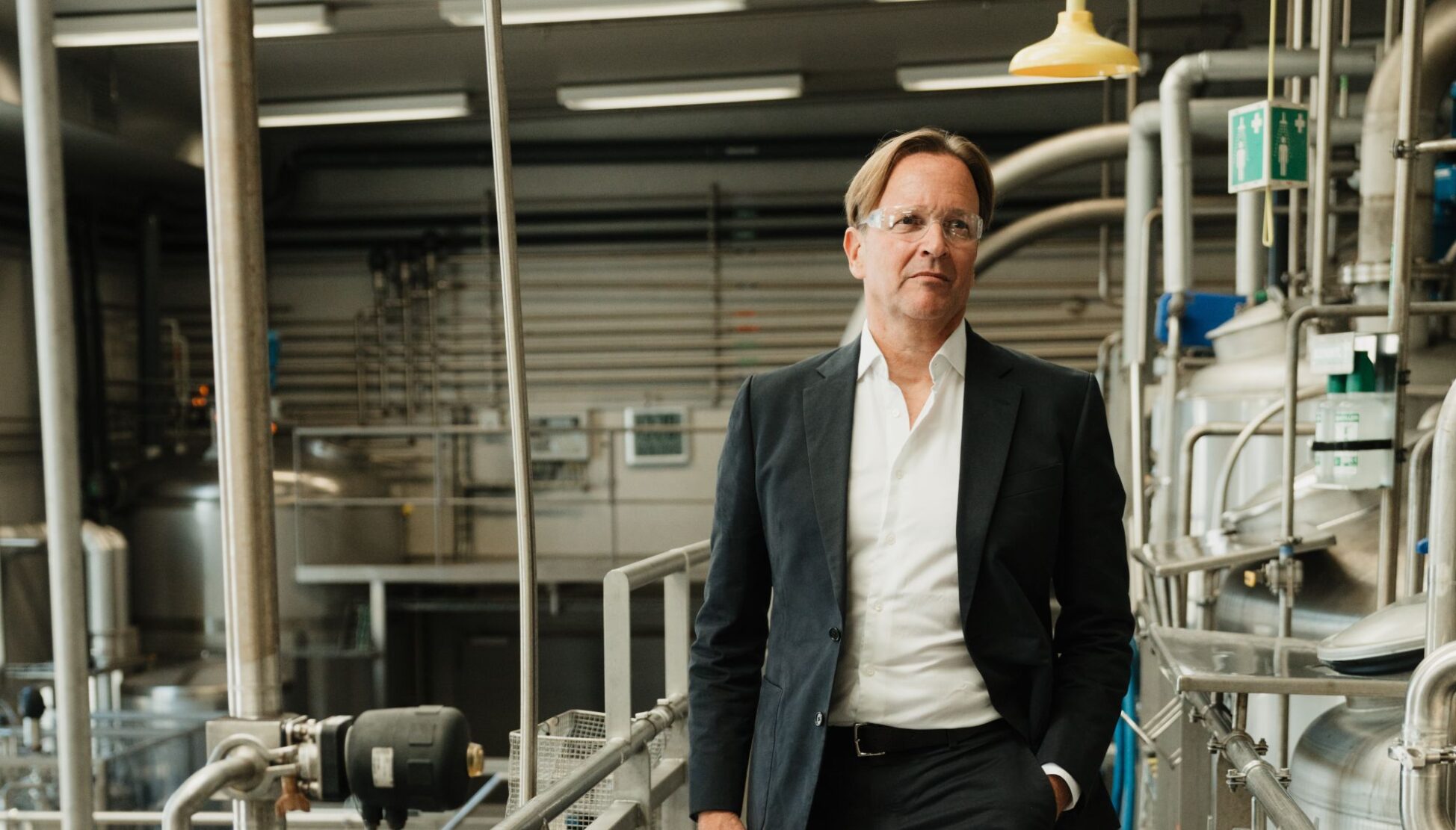

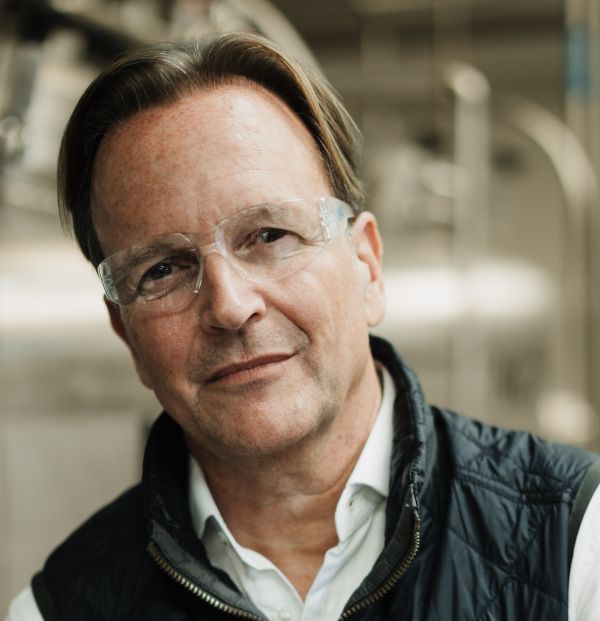
Michael Kocher
Chief Executive Officer, Xellia Pharmaceuticals
As the world races to develop new antibiotics, we risk overlooking another threat: losing access to the life-saving treatments we already have.
When a patient is in a hospital bed fighting a serious infection, two questions matter: Are antibiotics available to them? If they are, will they work? With antimicrobial resistance (AMR) on the rise and supply chains under increasing pressure, availability can’t be taken for granted.
To ensure that patients have effective treatments available, three interconnected priorities are critical: innovation, supply resilience and responsible use, argues Michael Kocher, CEO of Xellia, a manufacturer of critical anti-infective Active Pharmaceutical Ingredients (APIs) for more than a century. Xellia’s portfolio includes last-resort antibiotics used when other treatments fail, several of which are on the WHO’s List of Essential Medicines.1
Developing the antibiotics of tomorrow
“Developing new antibiotics is costly and risky, and even when successful, we want to limit their use to prevent resistance,” explains Kocher. “The paradox is that responsible use makes it difficult to recover investment, leaving little incentive to develop new treatments we desperately need.”
But innovation alone is not enough. “There are antibiotics on the market now already effective against resistant infections and will continue to play a vital role in the years ahead. We cannot only focus on fighting tomorrow’s resistance while losing today’s effective treatments,” stresses Kocher.
Securing access to the antibiotics of today
Manufacturing of critical antibiotics is becoming increasingly difficult economically. This has left many essential medicines dependent on production concentrated in a limited number of countries, predominantly China and India, where manufacturing conditions are more favourable. “The fact is that 80% of small molecule APIs are produced in Asia2,” says Kocher. “And let me be clear: manufacturing in China is not the problem. The problem is when China becomes the only place left to manufacture, and we have no alternative if supply is disrupted. That’s a vulnerability we simply cannot afford when lives are at stake.” An effective antibiotic is of little use if it cannot reach the patient who needs it.
“We are increasingly recognising that antibiotic innovation needs new economic incentives. The same applies to existing critical antibiotics,” says Kocher. “Manufacturers in Europe cannot be expected to sustain this essential production at a loss.”
We cannot only focus on fighting tomorrow’s resistance
while losing today’s effective treatments
To keep antibiotic production in Europe, manufacturers need support to build and run state-of-the-art facilities,” explains Kocher. “That’s why there’s a lot of talk about the ‘Netflix model’ where governments or healthcare systems pay pharma companies a subscription or yearly fee to incentivise R&D and maintain critical manufacturing capacity.” He also argues that governments should treat antibiotic production and AMR as a matter of national security and defence rather than just healthcare — and fund it accordingly.
Preserving the effectiveness of antibiotics
Finally, responsible antibiotic use is essential to slowing resistance and preserving both existing and future treatments. Patients must remain at the centre of the fight against AMR. “We have a responsibility to them,” insists Kocher, pointing to the Covid vaccine as an example of what can happen when governments, industry and healthcare professionals pull together. “If we can align political will, scientific progress and the right economic incentives, I’m convinced we can overcome these challenges,” says Kocher, insisting on seeing the glass half full. “If I could change one thing about how the world approaches AMR, it would be to recognise that developing new antibiotics and protecting existing ones are equally urgent. We cannot afford to lose today’s last line of defence while working on tomorrow’s breakthrough.”
[1] Source: The selection and use of essential medicines, 2025: WHO Model List of Essential Medicines, 24th list. Geneva: World Health Organization; 2025
[2] Source: European Economic and Social Committee (EESC), Securing Europe’s medicine supply: envisioning a Critical Medicines Act, 2023.