Global Cause


Cristiano Sabelli
Chief Scientific and Medical Affairs Officer, Copan Group
Learn why accurate sample collection and transportation — plus standardised lab automation — can reduce clinical uncertainty and guide responsible antibiotic use.
Overcoming AMR doesn’t only involve antibiotic development and responsible stewardship of existing ones. It begins sooner, with early diagnosis, screening and microbiological surveillance — all essential for identifying resistant organisms and monitoring their spread.
This is why the preanalytical phase is so critical, insists Cristiano Sabelli, Chief Scientific and Medical Affairs Officer at Copan Group, which develops sample collection products and automated workflow solutions for infectious disease, genomics, environmental and forensic applications. He argues that preanalytical quality (including sample collection, transport and storage) is the foundation of reliable clinical decision-making.
“We all have a common objective, so we need everyone on the same page, collaborating and providing feedback,” explains Sabelli. “To do this, they first need accurate and reliable information about a patient’s health status; that requires working from an accurate and reliable sample.”
We all have a common objective, so we need everyone on the same page, collaborating and providing feedback
Developing innovative preanalytical tools and solutions
Therefore, it’s vital that sample integrity is always maintained during specimen collection, preservation and transportation. If errors are made, data quality can be compromised, antibiotics may be prescribed incorrectly, and surveillance efforts may be weakened. If that happens, patients suffer.
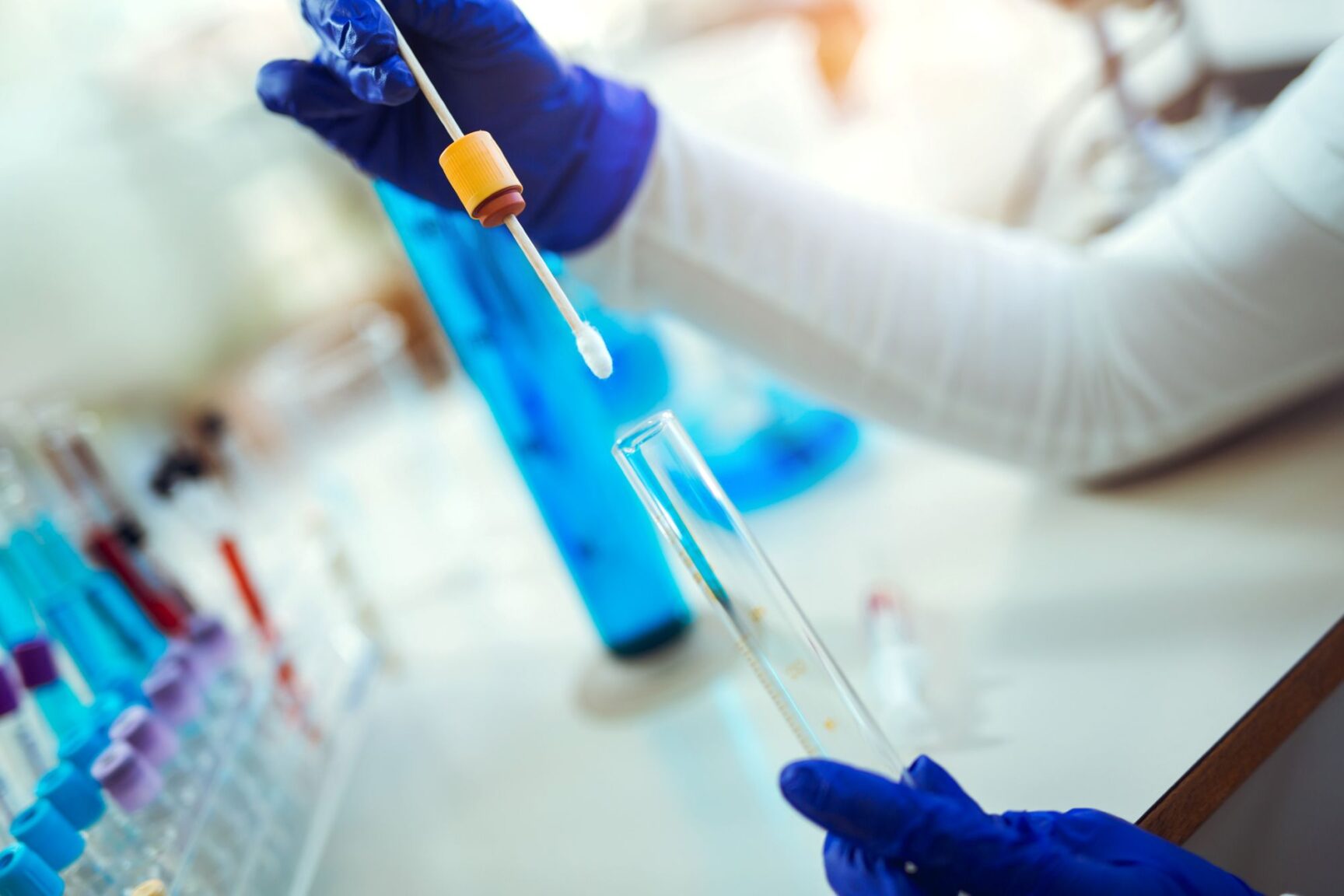
It’s why companies such as Copan Group focus on developing innovative preanalytical tools to optimise the work of microbiology labs and reduce clinical uncertainty. This includes specialised swabs designed for different anatomical geometries and liquid-based microbiology specimen transport that make samples both automatable and easier to process.
“We want to find ways to speed up the process of sample collection and transportation without loss of analyte viability,” notes Sabelli. “For example, effectively designed swabs make proper specimen collection easier and more stable. Liquid-based transportation — unlike traditional gel-based transportation — provides a homogeneous sample and allows for multiple reliable tests from a single specimen.”
Importance of standardising laboratory automation
Sabelli also emphasises the importance of standardising laboratory automation solutions to preserve sample quality throughout processing, reduce manual variability, improve traceability and ensure consistent, reproducible microbiology workflows. When combined with optimised pre-analytical practices, the result can be faster, more reliable results, contributing to better patient outcomes and antimicrobial stewardship.
Healthcare professionals, laboratories, institutions, health systems and the scientific community must work together to improve standardised processes, education and knowledge-sharing. “We all have a common objective, so we need everyone on the same page, collaborating and providing feedback,”says Sabelli. “For our part, we never forget that our specific role in this fight is to innovate, develop and validate tools that improve pre-analytics, support scientific collaboration and education, with tools like CoScience Hub and raise awareness of AMR.”