Global Cause

Sheila Agarwal-Khan
United Nations Environment Programme
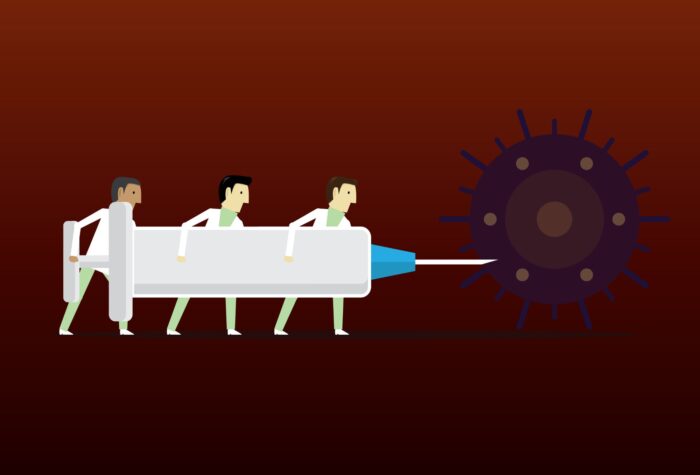
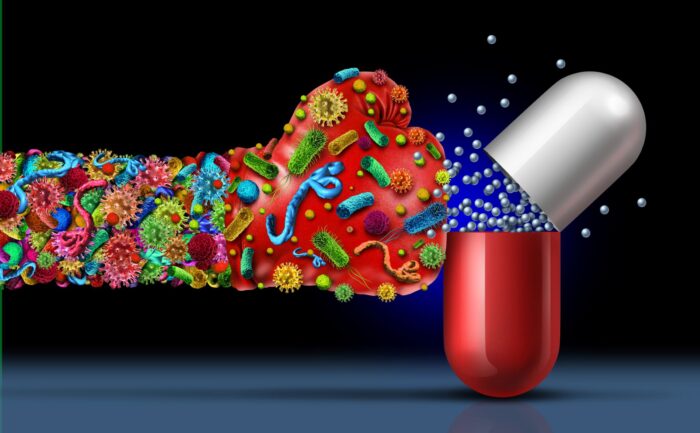
Antimicrobial resistance (AMR) threatens our ability to treat diseases in humans, animals and plants. Drug-resistant bacterial infections are projected to cause more than 39 million deaths between 2025 and 2050.1
An obvious part of the AMR solution to save human lives remains overlooked: preventing environmental pollution. Biological and chemical pollution are significant drivers of antimicrobial resistance. Preventing this pollution can protect lives, the environment and reduce economic loss.
Costly AMR-related pollution
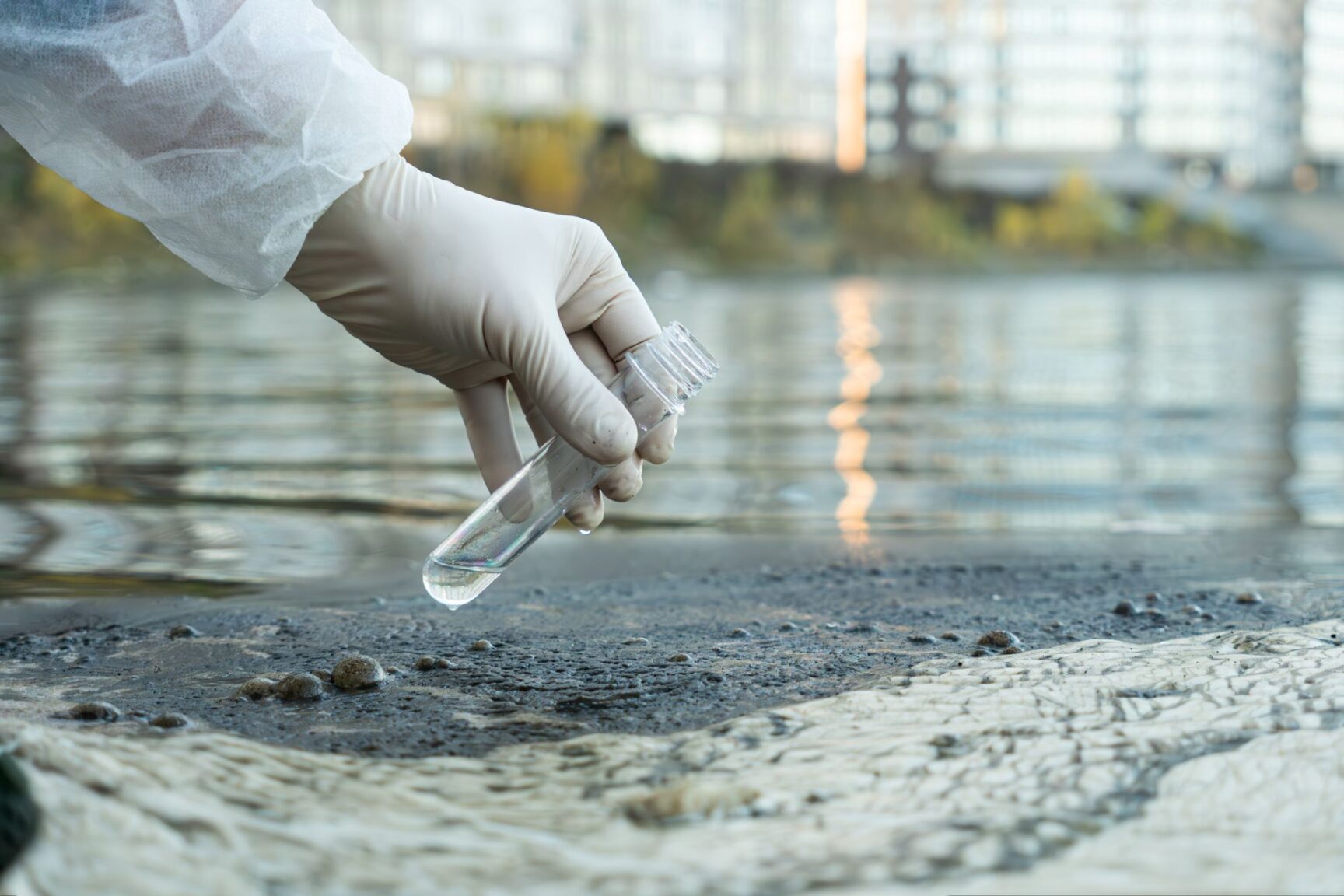
Effluents and waste from pharmaceutical manufacturing, healthcare, agriculture, food production and municipal waste and wastewater release antimicrobial residues in the environment creating conditions that favour resistant microorganisms and genes. .
The economic cost of AMR-related water pollution alone is estimated at US$340–680 billion annually.2 The full contribution of environmental pollution to AMR, because it is insufficiently calculated, means costs could be higher.
In 2023, the United Nations Environment Programme (UNEP) published ‘Bracing for Superbugs’, a report demonstrating how pollution contributes to the development and spread of AMR.
We have enough evidence to act
Preventing pollution is a health and environmental imperative, but also an investment that offers significant economic benefit that outweighs the cost. Investing in prevention can help avoid costly consequences with wider benefits for health, nature and economic development.
Solutions are within reach. Pharmaceutical manufacturers can reduce untreated antimicrobial releases into water bodies during the production of medicines. Healthcare facilities can improve waste and wastewater management.
The use of antimicrobials in agricultural production can be managed to ensure only what is needed, avoiding unnecessary use of antimicrobials and preventing environmental contamination through improved manure, waste and runoff management. Municipalities can invest in the kind of waste and wastewater treatment that prevents antimicrobials from making their way into water bodies.3
Preventing pollution is a health and environmental imperative, but also an investment
Integrate environmental measures into AMR strategy
We must also generate knowledge and data to better understand where environmental AMR risks emerge, alongside scientific evidence to guide effective policy and action. The upcoming establishment of the Independent Panel on Evidence for Action against AMR (IPEA) will facilitate the generation and use of multisectoral, scientific evidence. The secretariat of the Panel will be hosted by UNEP, with the Food and Agriculture Organization of the United Nations, the World Health Organization and the World Organisation for Animal Health.
Governments need to integrate environmental measures into AMR national action plans and related policies, supported by investment, regulation and stakeholder cooperation. Preventing pollution today avoids greater costs tomorrow, protecting human health, preserving antimicrobials, safeguarding the environment and strengthening economies.
[1] Naghavi M, Vollset S, Ikuta K et al. Global burden of bacterial antimicrobial resistance 1990–2021: a systematic analysis with forecasts to 2050. The Lancet, 2024; 404, 1199-1226.
[2] World Economic Forum, 2020. The costs and risks of AMR water pollution. tinyurl.com/yv9sh8u5.
[3] United Nations Environment Programme (2023). Bracing for Superbugs: Strengthening environmental action in the One Health response to antimicrobial resistance. Geneva.