Global Cause

Emily Kobayashi
Director of Vaccine Programmes at Gavi, the Vaccine Alliance
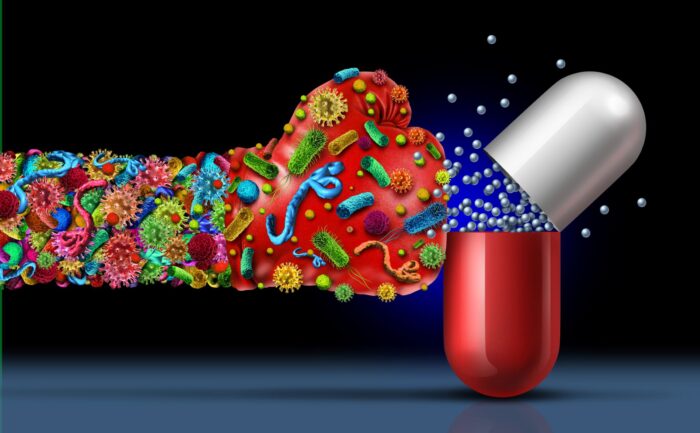
From treating childhood illnesses to supporting life-saving care, antibiotics save millions of lives.1 Antimicrobial resistance (AMR), however, is putting that progress at risk.
Drug-resistant bacterial infections are estimated to cause 1.27 million deaths each year and contribute to nearly 5 million deaths globally, including around 1 million among children under five.2 The cost of failing to act will be measured not only in lost lives, but also in weakened health systems and economic damage.
Preventing infection preserves antibiotics
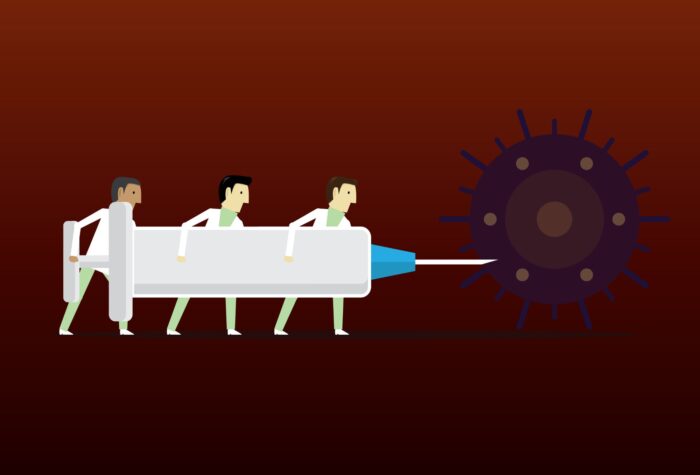
Much of the focus on AMR rightly centres on developing new antibiotics and ensuring existing medicines are used appropriately. Another critical tool is vaccines. Vaccines prevent infections before they occur, reducing the need for antibiotics. They also reduce the spread of infectious diseases in communities and can help limit the spread of antibiotic-resistant pathogens.
By preventing disease, vaccines reduce the need for treatment, limit opportunities for resistance to emerge and spread and help preserve the effectiveness of existing antibiotics. Increasingly, evidence suggests they are among the most powerful tools available against AMR.
New research highlights the scale of that contribution. Studies suggest typhoid conjugate vaccines could avert more than 21 million multidrug-resistant typhoid cases and over 826,000 deaths among children over a decade.3 Rotavirus vaccines could prevent 13.6 million episodes of antibiotic-treated diarrhoea annually, while pneumococcal conjugate vaccines could avert nearly 24 million antibiotic-treated respiratory infections each year across low- and middle-income countries.3
vaccines reduce the need for treatment, limit opportunities for resistance to emerge and spread and help preserve the effectiveness of existing antibiotics
The economic case is equally compelling
The World Bank estimates AMR could reduce global GDP by US$1-3.4 trillion annually by 2030 and add US$1 trillion in healthcare costs by 2050.4 Investing in vaccination is therefore both a health and economic imperative.
Vaccines alone will not solve AMR. Success requires a comprehensive response that brings together prevention, surveillance, diagnostics, effective treatments and research. Prevention must be the foundation of that effort, and vaccines are among the most effective prevention tools we have.
[1] World Health Organization, Antimicrobial resistance Fact Sheet: tinyurl.com/584ad5ut.
[2] Antimicrobial Resistance Collaborators.(2022) Global Burden of bacterial antimicrobial resistance in 2019: a systematic analysis. Lancet. 2022; 399: 629–55 doi: https://doi.org/10.1016/S0140-6736(21)02724-0
[3] Leveraging Vaccines to Reduce Antibiotic Use and Prevent Antimicrobial Resistance: An Action Framework: World Health; 2020. Licence: CC BY-NC-SA 3.0 IGO, tinyurl.com/y5apz83z
[4] Jonas, Olga B et al. Drug-resistant infections: a threat to our economic future (Vol. 2). final report (English). HNP/Agriculture Global Antimicrobial Resistance Initiative Washington, D.C.: World Bank Group. tinyurl.com/3psm2ryv.