Global Cause


Dr. Jason Clark
CEO, NexaBiome Life Sciences Ltd.
Drug-resistant infections are complex, persistent and placing growing pressure on healthcare systems. For patients living with these infections, the impact is significant, but new therapies offer potential hope for those in need.
Around one in six laboratory-confirmed bacterial infections worldwide were resistant to antibiotics in 2023.1 Set against a limited antimicrobial pipeline, the urgent need to develop new and complementary therapeutic approaches is clear.
Targeted phages tackle costly diabetic infections
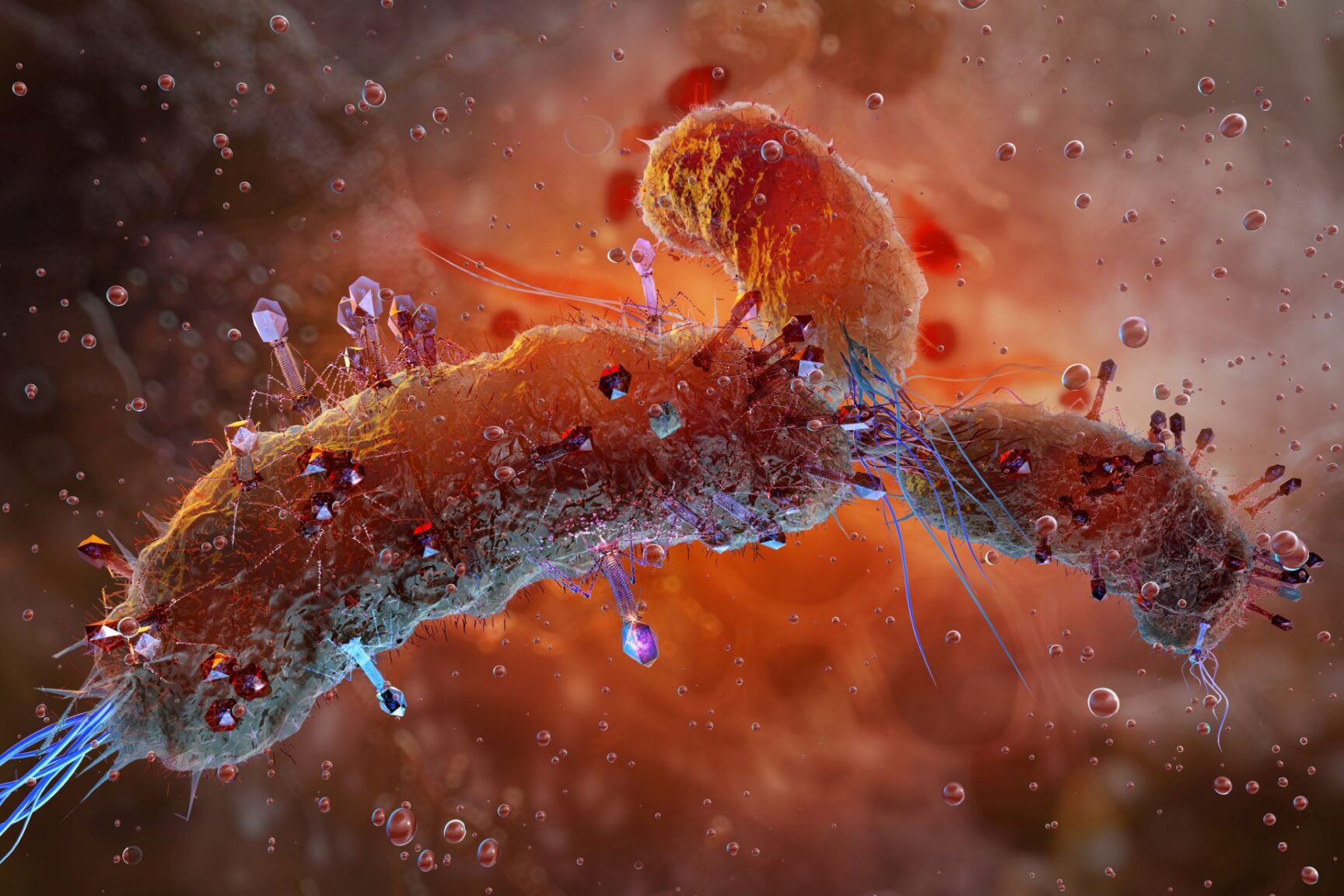
Bacteriophages (or phages) are natural viruses that infect and kill bacteria but are harmless to humans, animals and plants. Unlike broad-spectrum antibiotics, which can affect both harmful and beneficial bacteria, phages can be selected for particular bacterial targets, offering a highly targeted approach to infection.
Complementary approaches are particularly needed for infections that are chronic and currently difficult-to-treat. For instance, diabetic foot infections (DFIs), a common and serious complication of diabetes, can be recurrent, costly and, in severe cases, lead to amputation or death.2 NHS England spends almost £1 billion a year on treating diabetes-related foot ulcers and amputations,3 a substantial clinical and economic burden.
Phages offer sustainable answers to resistance
Early evidence has shown encouraging signals on the safety and clinical benefit of phage therapy. In Scotland, 10 patients with unresolved DFIs received compassionate use phage therapy after all other treatment options had failed, with outcomes including infection resolution, clinical improvement and, in six out of 10 patients, limb salvage.4
Importantly, phages can address one of the key barriers to new antibiotic adoption: sustainability. A new antimicrobial typically costs over $1 billion to develop, but they are then reserved for treating the most serious cases, which slows the development of resistance but reduces sales. These factors combined often make new therapies commercially unsustainable.5
Phages evolve faster than their target bacteria and there are no bacteria that are resistant to all phages. This ensures that long-term resistance is not an issue, and phage products can be used without restriction, ensuring their long-term viability.
phages can address one of the key barriers to new antibiotic adoption: sustainability
Scalable phage therapy option
At NexaBiome Life Sciences, we use our patented formulation technology to take phage therapies beyond individual compassionate treatments and deliver them to everyone who needs them. The first product is a room-temperature-stable wound dressing for treating diabetic foot infections, that fits seamlessly into existing care regimes.
Bacteriophages create credible, additional options where current approaches are no longer sufficient. As bacterial resistance evolves, so too must the tools clinicians use to meet future challenges.
[1] WHO, 2025. WHO warns of widespread resistance to common antibiotics worldwide. tinyurl.com/237rxvv8.
[2] Diabetes UK, 2024. Serious Foot Problems and Diabetes. https://tinyurl.com/27vbkk7k
[3] Diabetes UK, 2017. Improving footcare for people with diabetes and saving money: an economic study in England. https://tinyurl.com/33yzeef6.
[4] Young, M. J., et al. (2023). Phage Therapy for Diabetic Foot Infection: A Case Series. Clinical therapeutics, 45(8), 797–801. https://doi.org/10.1016/j.clinthera.2023.06.009
[5] DisARM, 2026. The Broken AMR Market. https://tinyurl.com/54f86mzk.