Global Cause



Thomas Lingelbach
Chief Executive Officer, Valneva
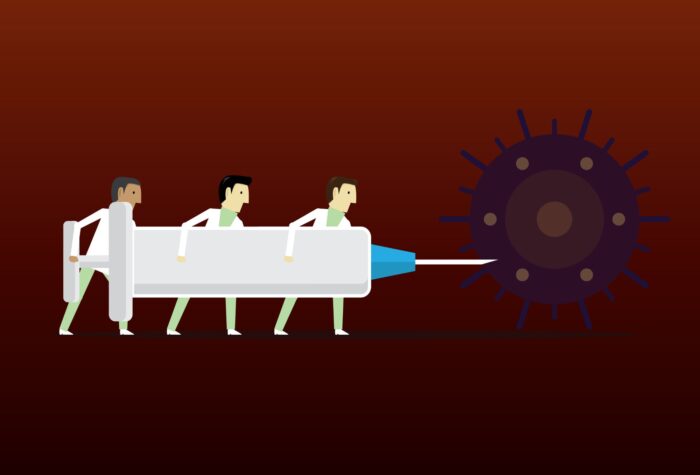
The future of healthcare depends on preventing illness as well as treating it. Continued vaccine innovation will be vital to protecting communities from infectious disease.
The greatest success in healthcare is not always the illness we cure, but the illness that never happens. The UK Government’s 10 Year Health Plan for England identifies a shift from ‘sickness to prevention’ as a key priority for reforming the NHS.¹ This reflects a wider imperative across Europe: treatment remains essential, but preventing illness matters just as much.
Keeping pace with evolving threats
Vaccination is one of the most effective ways to prevent infectious disease, helping protect individuals and communities while reducing avoidable pressure on health systems.² The success of established vaccination programmes should strengthen the case for developing new preventative solutions to address existing and emerging infectious disease threats.
Prevention must be designed around where disease risk is heading, not only where it has been
Meanwhile, a changing climate is helping to create conditions in which disease-carrying vectors, including mosquitoes and ticks, can expand into new areas. This is contributing to a changing infectious disease landscape and potentially exposing more communities to vector-borne threats.³
Prevention must be designed around where disease risk is heading, not only where it has been. This requires continued innovation: developing vaccines for diseases with unmet needs, improving established technologies and ensuring advances reach people who need them.²
Closing the prevention gap
Lyme disease, Europe’s most common vector-borne disease,4 brings this challenge into focus. An estimated 223 million people across Europe live in areas with high incidence, while climate change is also contributing to higher disease incidence.4 Transmitted by infected ticks, it can cause serious complications affecting the joints, heart and nervous system if left untreated.5 Although antibiotics treat most cases, prevention still relies largely on avoiding tick bites.5 This leaves a gap in protection.
Scientific progress does not happen overnight
Vaccine development can span several years, from early research and clinical trials through to manufacturing. Across three decades in the vaccine industry, I have learned that progress depends on continuity – maintaining focus and expertise even when a threat is not yet considered urgent.
Prevention is rising up the healthcare agenda: governments, researchers, industry and public health bodies must set shared priorities and sustain the investment and partnerships needed to prepare for changing threats. Prevention cannot simply be switched on during a crisis; it requires long-term commitment.
[1] Department of Health and Social Care. 10 Year Health Plan for England. 2025.
[2] WHO. Immunization Agenda 2030. 2020.
[3] ECDC. ECDC Air – Episode 76: Not Just a Hotter Summer. 2026.
[4] Davidson et al. Lyme Borreliosis Incidence Across Europe, 2015–2023: A Surveillance-Based Review and Analysis. 2025.
[5] Burn et al. Incidence of Lyme Borreliosis in Europe from National Surveillance Systems (2005–2020). 2023.